There are treks you do for adventure, some for photography, and some because you simply want to escape noise. My journey to Panch Pokhari turned out to be something different altogether—it felt like a slow conversation between me, the mountains, and five sacred lakes hidden high in the Himalayas.
This is my personal experience of walking through forests, steep ridges, windy alpine meadows, and finally reaching a place that felt both wild and deeply spiritual.
The Beginning: Leaving Kathmandu Behind

I started my journey early in the morning from Kathmandu, taking a jeep toward Melamchi and then onward toward the trailhead. The city quickly faded behind concrete walls and traffic noise, replaced by winding roads, green hills, and river valleys.
The ride was rough but beautiful. At times, the road hugged steep cliffs at other times, it crossed small settlements where life seemed calm and unchanged by modern speed. I remember watching children wave from roadside villages, farmers working in terraces, and the Melamchi River flowing fast below us. It already felt like I was leaving one world and entering another. By the time I reached the starting point of the trek in Sindhupalchok District, I could feel the air becoming lighter and quieter.
First Steps: Into the Forest Trails


The trek began with a steep climb through dense forests. The air was humid, and the trail was narrow, sometimes just stone steps carved into the hillside. At first, it felt easy and exciting. I was fresh, energized, and curious about everything around me. Birds were calling from the trees, and the sound of water streams echoed through the forest.
But after a few hours, the climb began to test me. The uphill sections were continuous, with very few flat breaks. My backpack started feeling heavier with every step. Still, the forest itself kept me going. It was alive—thick with rhododendron trees, moss-covered rocks, and the occasional glimpse of distant hills through the leaves. I met a few local villagers on the way, carrying supplies or walking barefoot along the trail. Their strength made me realize how deeply connected people here are to the land.
The Rise in Altitude: Forest to Alpine Transition
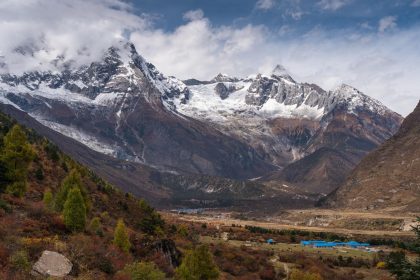
As I climbed higher, the dense forest slowly began to disappear. Trees became smaller, spaced farther apart, until finally I entered open alpine terrain. The landscape changed dramatically. Instead of green walls of forest, there were wide grassy slopes, rocky ridges, and endless views of surrounding peaks.
The wind became stronger here. It carried a coldness that reminded me I was gaining altitude quickly. Breathing became slower, steps more deliberate. At one ridge, I stopped and looked back. The valleys below looked far away, almost like a painted map. Ahead, the trail climbed toward a horizon that kept moving farther. This was the moment I truly felt I was in the Himalayas—not just traveling through them.
Reaching High Camp: Silence Above the Clouds
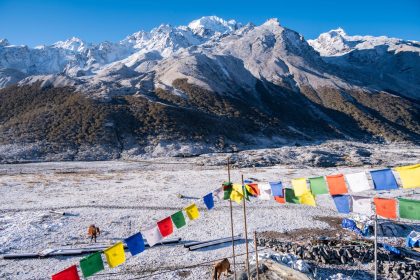
After a long and exhausting climb, I reached a high camp settlement along the route to Panch Pokhari. It was simple—just a few lodges, stone houses, and basic shelters for trekkers. There was no luxury here. No comfort in the modern sense. But there was warmth in small things—a cup of hot tea, a shared smile with fellow trekkers, and the feeling of shelter in an otherwise vast landscape.
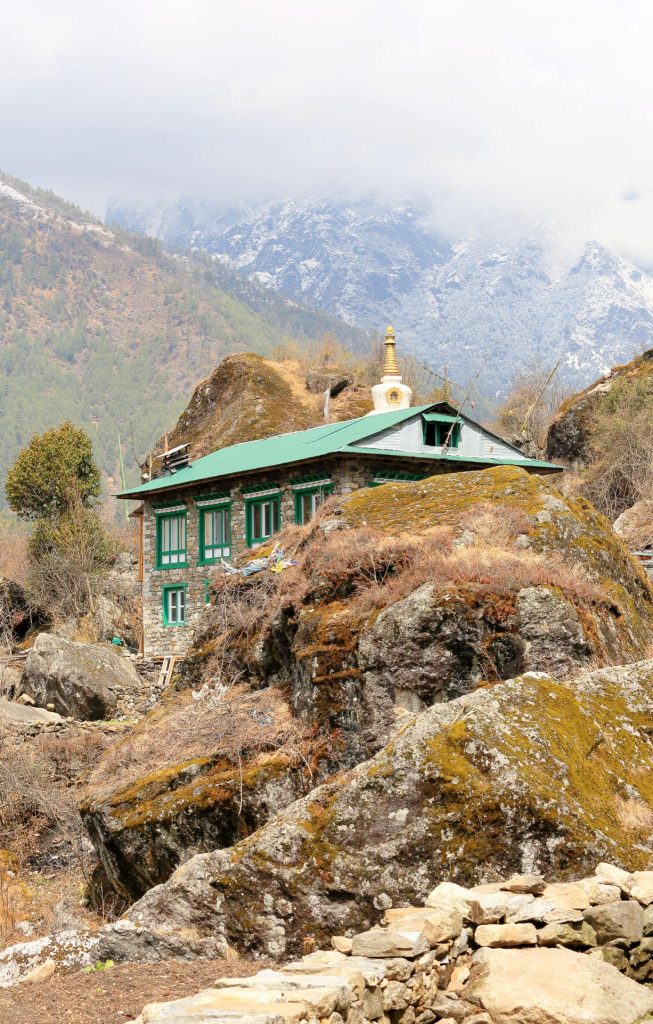
The night was cold, and the wind was strong. I remember lying in my sleeping bag, listening to the sound of wind hitting the wooden walls, thinking about how far I had come. Sleep came slowly, but the silence outside felt powerful rather than empty.
Final Ascent: Walking Into the Sacred Basin
The final push toward Panch Pokhari was the most challenging part of the entire trek. The trail became steeper and more exposed. There were no forests now—only rocks, wind, and open sky. Every step felt like a negotiation between body and altitude.
Breathing was slow, and I had to pause often. But something about the landscape made me continue without complaint. It felt raw and untouched, like the earth itself had not been softened by time. Then, suddenly, the terrain opened up.
First View of Panch Pokhari: Five Sacred Lakes in the Clouds
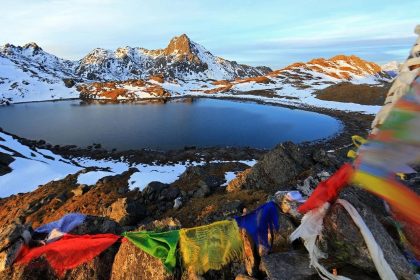
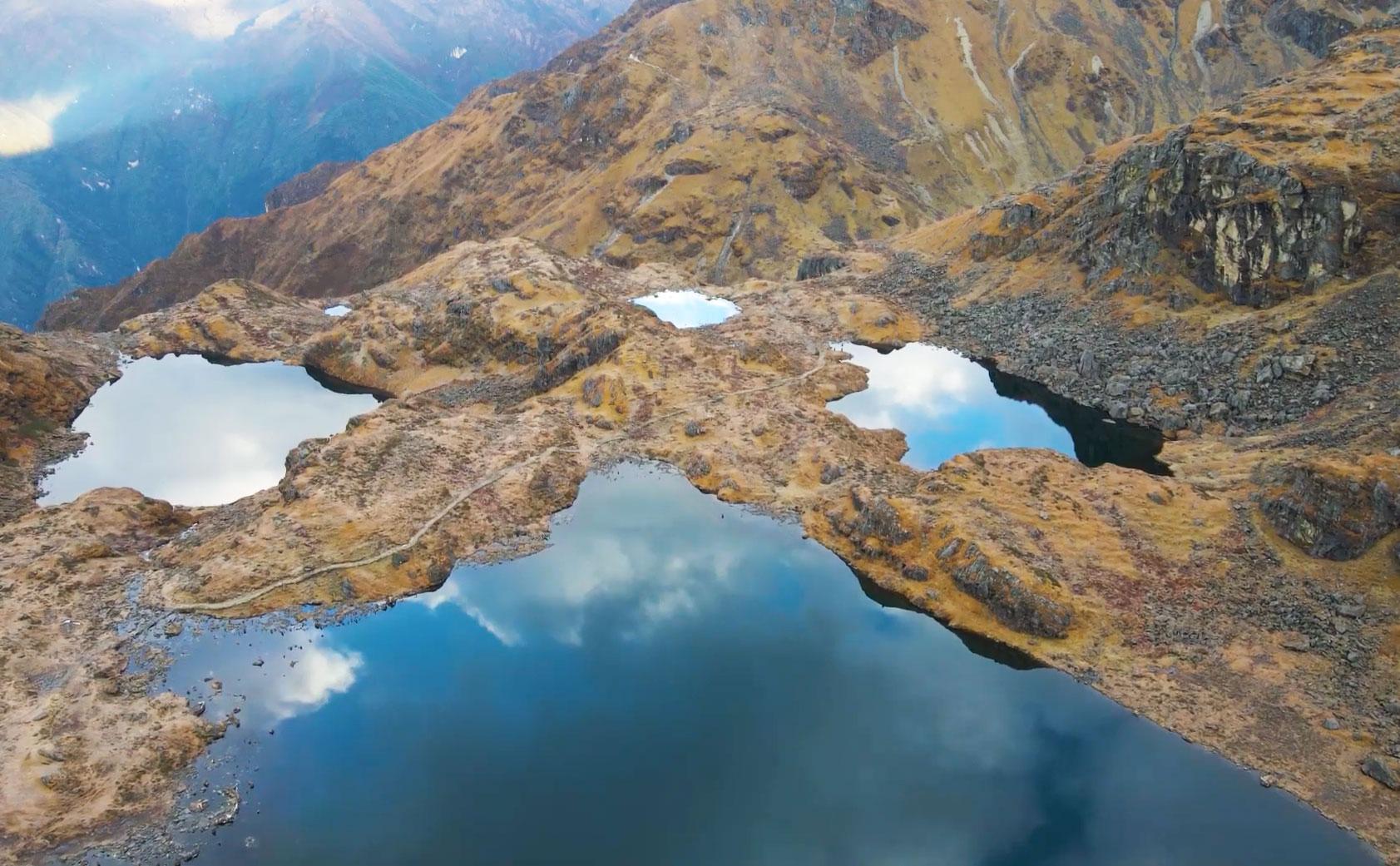
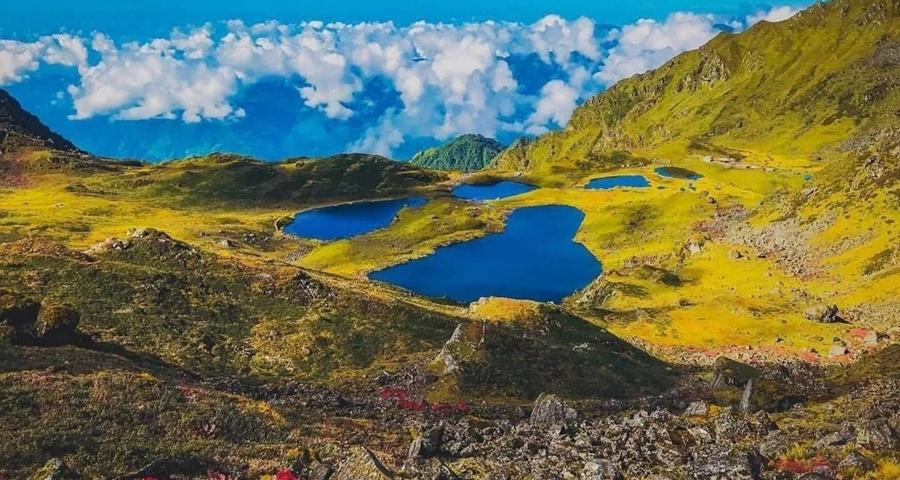
Standing at the edge of the basin, I finally saw it—five shimmering lakes spread across a high-altitude plateau. Panch Pokhari literally means “Five Lakes,” and each one sits quietly among rocky terrain, surrounded by mountains that feel almost unreal in scale. The water was still and cold, reflecting the sky like a mirror. Clouds moved quickly overhead, casting shifting shadows over the lakes.
There was a deep silence here—not the absence of sound, but a presence of calm that made even footsteps feel important. Locals and pilgrims consider this place sacred, dedicated to Lord Shiva. Some visitors take ritual baths in the icy waters, while others simply sit quietly in reflection. I did both—I walked around slowly, and then sat for a long time without saying anything.
Weather, Wind, and High-Altitude Reality
Panch Pokhari is beautiful, but it is not gentle. The altitude is high, and weather changes rapidly. One moment the sky is clear, and the next, clouds roll in and hide everything in white mist.
Cold winds can be strong enough to make walking difficult. Nights are freezing, even in trekking season. I realized quickly that this place demands respect. You don’t rush here—you adapt, or you struggle. But that harshness is also what makes it feel pure.
Cultural and Spiritual Experience
What makes Panch Pokhari unique is not just the landscape, but the spiritual atmosphere. Pilgrims from different parts of Nepal and India visit during Janai Purnima. The journey is considered a form of devotion, not just travel.
Along the way, I met locals who spoke about the lakes with deep respect. For them, this is not just a destination—it is a sacred space tied to belief, tradition, and identity. Even as a traveler without strong religious motivation, I could feel the weight of meaning in the air.
The Descent: Leaving the Sacred Basin Behind
Leaving Panch Pokhari was harder emotionally than physically. The descent felt faster, but my mind kept looking back at the lakes. Each step away felt like distance not just in space, but in experience.
As I descended, forests slowly returned. Green replaced grey. Sound replaced silence. Life felt more familiar again, but also a little less intense. By the time I reached lower villages, the sacred stillness of the lakes felt like a memory wrapped in wind.
Final Reflection: What Panch Pokhari Taught Me
This journey to Panch Pokhari was not just a trek—it was a reminder of how vast and varied the world still is, even in places not far from home. It taught me patience on steep trails, humility in thin air, and silence in places where words feel unnecessary.
More than anything, it reminded me that some places don’t need interpretation. They just need to be experienced. And Panch Pokhari is one of those rare places where nature, spirit, and effort come together in perfect balance. If Gosaikunda feels like a whisper from the mountains, Panch Pokhari feels like a deep, open silence. And both stay with you long after the journey ends.