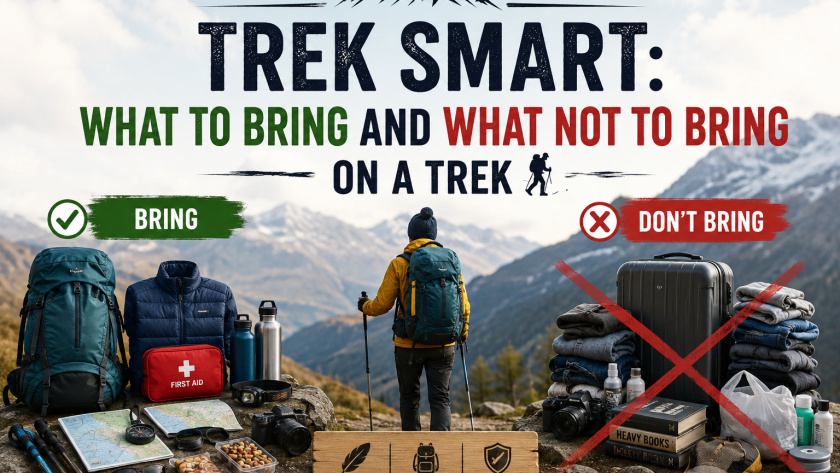
Your Complete Guide to Packing for a Safe, Comfortable, and Enjoyable Adventure
Trekking is one of the most rewarding ways to experience nature, discover breathtaking landscapes, and challenge yourself physically and mentally. Whether you’re planning a short day hike or a multi-day expedition in the Himalayas, proper packing can make the difference between an unforgettable adventure and an uncomfortable journey.
Many first-time trekkers either overpack unnecessary items or forget essential gear. To help you prepare efficiently, here’s a comprehensive guide on what to bring and what not to bring during your trek.
Why Packing Matters
Every item in your backpack has a purpose. Carrying too much weight can lead to fatigue, muscle strain, and reduced enjoyment of the trek. On the other hand, leaving behind important essentials can compromise your safety and comfort.
The goal is simple: Pack light, pack smart, and pack only what you truly need.
What to Bring on a Trek
1. Appropriate Clothing
Weather conditions in trekking regions can change rapidly, especially in mountainous areas.
Essential Clothing:
- Moisture-wicking base layers
- Lightweight trekking shirts
- Trekking pants or quick-dry trousers
- Warm fleece or insulated jacket
- Waterproof and windproof outer shell
- Thermal wear (for higher altitudes)
- Comfortable underwear and socks
- Sun hat or cap
- Warm beanie and gloves
Pro Tip: Dress in layers so you can easily adjust to changing temperatures.
2. Quality Trekking Footwear
Your feet will carry you through the entire journey.
Choose:
- Well-broken-in trekking boots
- Shoes with good ankle support
- Waterproof footwear if trekking during wet seasons
- Extra pairs of trekking socks
Avoid wearing brand-new shoes on a trek.
3. Backpack
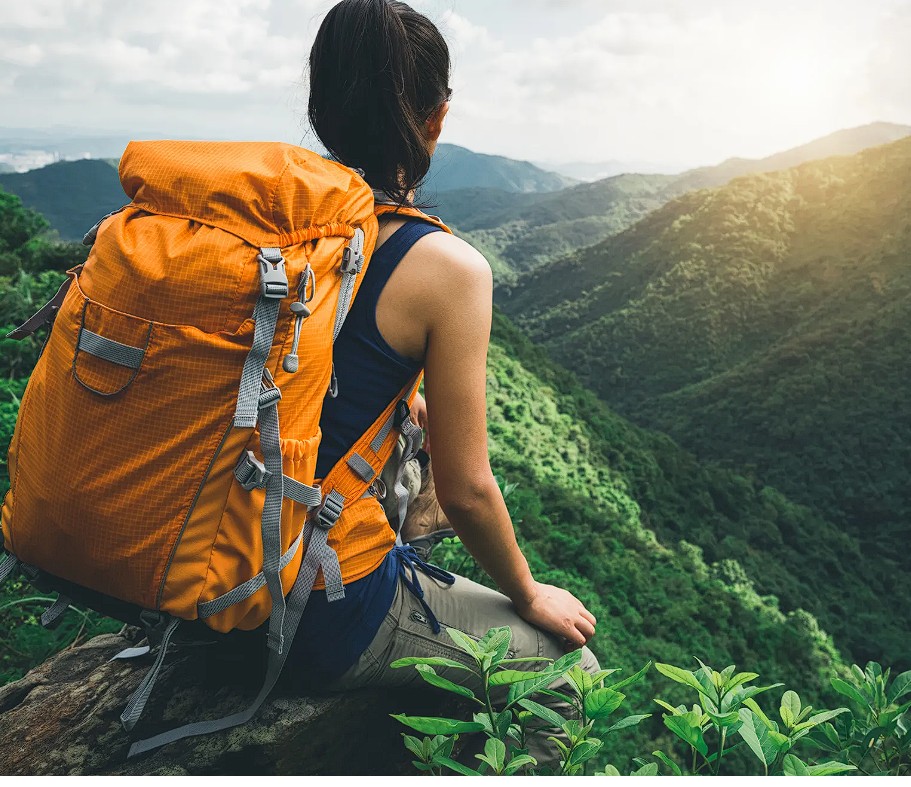
A comfortable backpack is essential.
Recommended:
- 20–35L backpack for day treks
- 40–65L backpack for multi-day treks
- Rain cover for protection during unexpected weather
4. Water and Hydration Supplies
Staying hydrated is critical at all elevations.
Carry:
- Reusable water bottles
- Hydration bladder (optional)
- Water purification tablets or filter
- Electrolyte supplements
Aim to drink water regularly throughout the trek.
5. First Aid Kit
A basic first aid kit can be invaluable in remote locations.
Include:
- Bandages and blister treatment
- Antiseptic wipes
- Pain relievers
- Personal medications
- Motion sickness medication
- Altitude sickness medication (if recommended by your doctor)
6. Navigation and Safety Equipment
Even on guided treks, it’s wise to have basic navigation tools.
Recommended:
- Map or trekking guidebook
- Compass
- GPS device or offline maps
- Headlamp with extra batteries
- Emergency whistle
7. Sun Protection
Mountain sun can be intense, even on cloudy days.
Carry:
- Sunglasses with UV protection
- Sunscreen (SPF 30+)
- Lip balm with SPF
8. Snacks and Energy Foods
Trekking burns significant calories.
Good options include:
- Energy bars
- Nuts and dried fruits
- Trail mix
- Chocolate
- Protein snacks
Choose lightweight, high-energy foods.
9. Personal Essentials
Don’t forget:
- Identification documents
- Cash for remote areas
- Mobile phone
- Power bank
- Camera
- Small towel
- Toiletries and wet wipes
10. Trekking Accessories
Useful additions:
- Trekking poles
- Neck gaiter or buff
- Dry bags for electronics
- Lightweight sleeping bag (if required)
- Reusable trash bag
What NOT to Bring on a Trek
1. Excess Clothing
Many trekkers pack outfits for every day.
Reality:
You only need a few versatile clothing items that can be layered and reused.
2. Heavy Electronics
Avoid carrying:
- Multiple cameras
- Large laptops
- Unnecessary gadgets
These add weight and are often rarely used on the trail.
3. Valuable Jewelry
Leave expensive items at home.
Jewelry:
- Can get lost
- Adds unnecessary risk
- Serves no practical purpose during trekking
4. Large Bottles of Toiletries
Transfer essentials into travel-sized containers.
Avoid:
- Full-size shampoo bottles
- Large skincare products
- Excessive cosmetics
5. Unnecessary Books and Entertainment Items
Heavy books, gaming devices, and other bulky entertainment items can quickly become dead weight.
Instead:
- Download books on your phone
- Enjoy the natural surroundings
6. Too Much Food
Overpacking food is common.
Bring enough snacks and planned meals, but avoid carrying excessive supplies that increase backpack weight.
7. Cotton Clothing
Cotton absorbs moisture and dries slowly.
Avoid:
- Cotton shirts
- Cotton socks
Choose synthetic or merino wool alternatives instead.
8. Disposable Plastic Waste
Avoid carrying single-use plastic items whenever possible.
Choose:
- Reusable water bottles
- Reusable containers
- Eco-friendly alternatives
Practice responsible trekking and leave no trace.
Smart Packing Tips for Trekkers
Follow the 3-Layer Rule
- Base Layer: Moisture management
- Mid Layer: Insulation
- Outer Layer: Weather protection
Keep Frequently Used Items Accessible
Store:
- Water
- Snacks
- Rain jacket
- Camera
- First aid supplies
in easy-to-reach compartments.
Distribute Weight Properly
Place heavier items close to your back and near the center of the backpack for better balance.
Test Your Backpack Before Departure
Walk around with your fully packed backpack before the trek to ensure comfort and proper fit.
Final Thoughts
A successful trek begins long before you hit the trail—it starts with thoughtful preparation. Bringing the right gear ensures comfort, safety, and confidence, while avoiding unnecessary items helps you travel lighter and enjoy the journey more.
Remember: every kilogram matters when you’re walking for hours through mountains, forests, or remote trails.
Pack smart, respect nature, stay prepared, and focus on what truly matters—the incredible experience that awaits you on the trail.
Happy Trekking!