There are some places in Nepal that stay in your memory forever, and for me, Manang is one of them. I had seen countless photos of snowy mountains, colorful prayer flags, and stone villages before starting the trek, but nothing prepared me for the real experience. The journey to Manang was not just a trek; it felt like walking into another world — a world of silence, mountains, rivers, and simple Himalayan life.
I started my journey from Kathmandu early in the morning with a backpack full of warm clothes, camera batteries, snacks, and excitement. The plan was to follow the famous Annapurna Circuit route up to Manang and spend a few days exploring the beautiful Himalayan valley. Friends who had already visited warned me about the cold weather and long walking days, but they also told me one thing: “Once you reach Manang, you will forget all the pain.” They were absolutely right.
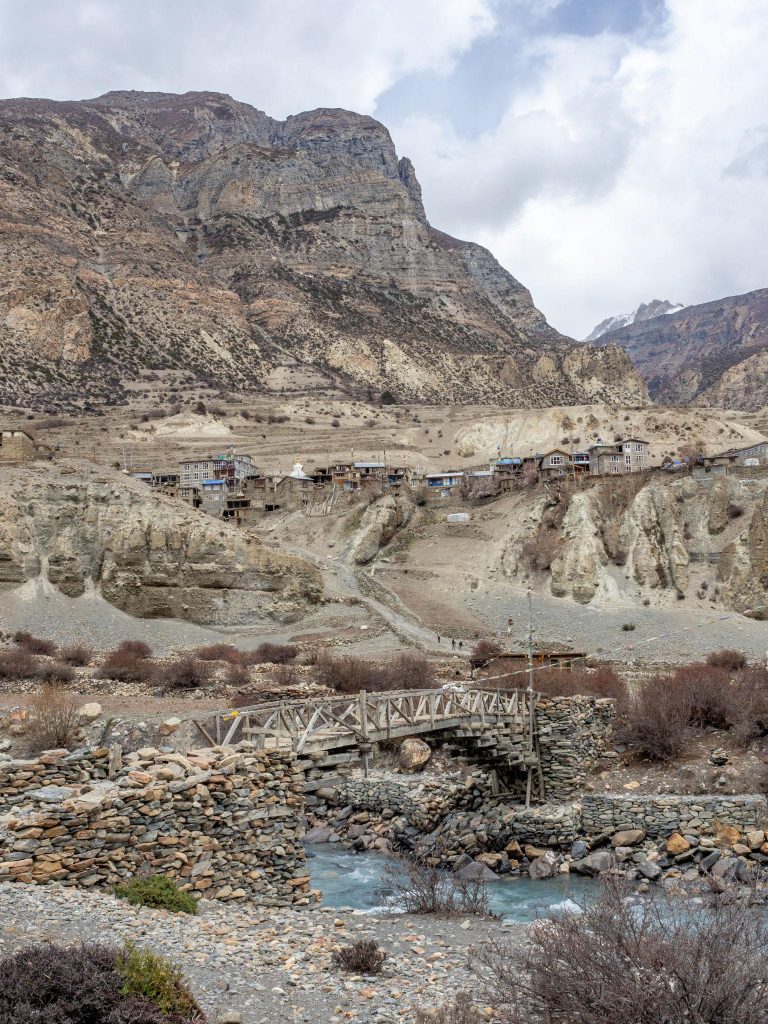
The Road Journey to Dharapani
The adventure began with a long jeep ride from Kathmandu to Besisahar and then towards Dharapani. The road was rough, dusty, and tiring, but the scenery outside the window made everything enjoyable. Green hills, waterfalls, terraced fields, and roaring rivers followed us throughout the journey.
As we moved higher, the weather became cooler and the mountains slowly started appearing behind the clouds. Villages became smaller, and traditional stone houses replaced modern buildings. The sound of the Marsyangdi River echoed beside the road like a constant travel companion.
By evening we finally reached Dharapani. It was cold, peaceful, and surrounded by pine forests. I remember sitting near the fireplace in a small teahouse, drinking hot ginger tea while listening to trekkers from different countries sharing their stories. That night, I felt the excitement of the mountains for the first time.
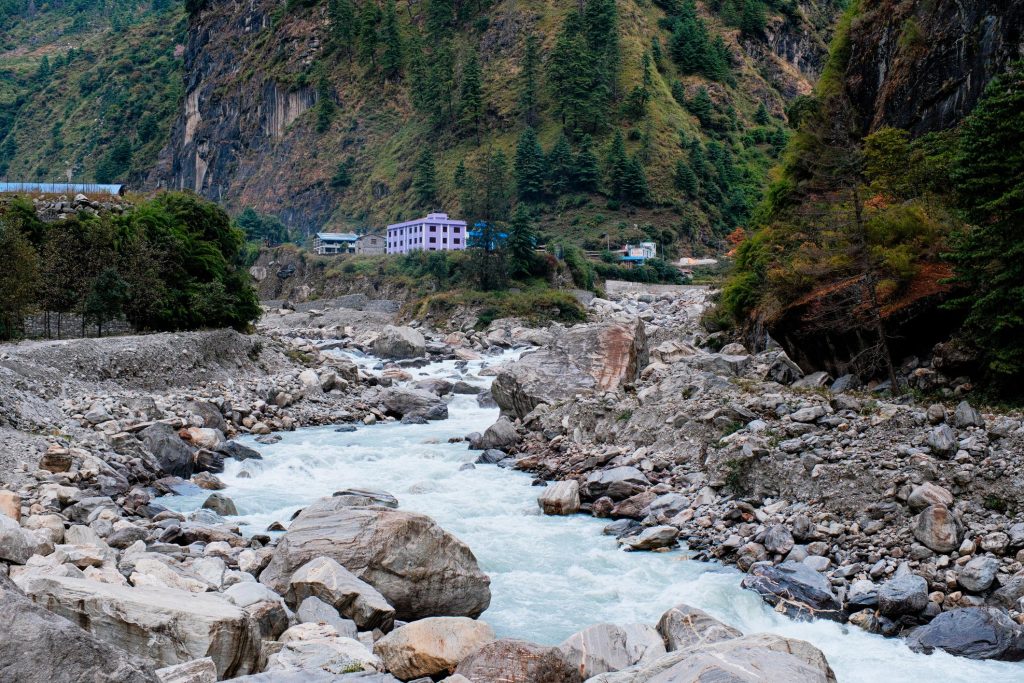
Dharapani village and Marsyangdi River
Trekking Through Himalayan Villages
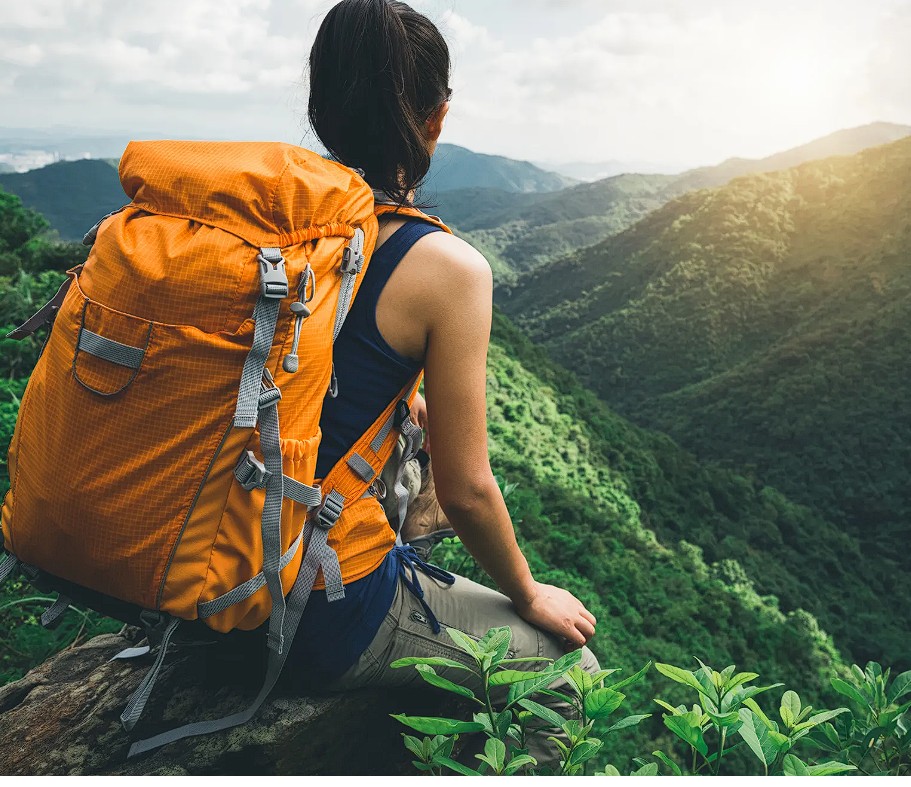
The next morning we began walking towards Chame. The trail passed through forests filled with pine and rhododendron trees. Waterfalls rushed down steep cliffs, and suspension bridges swung above deep river gorges. The fresh mountain air felt different from city life. Every breath felt clean and alive. As we continued trekking, the landscape slowly started changing. The green hills turned into dry rocky cliffs, and the snow-covered peaks became larger and closer. One of the most unforgettable moments was seeing Annapurna II shining brightly under the morning sun.
The mountains looked unreal. After reaching Chame, we spent the evening exploring the small village. Prayer wheels spun beside ancient monasteries, and yaks carried heavy loads through narrow stone paths. The simplicity of life there was beautiful. The following day, we walked towards Pisang. This section of the trail offered incredible mountain views. Huge cliffs rose dramatically above the valley, and the trail often followed the riverbank.
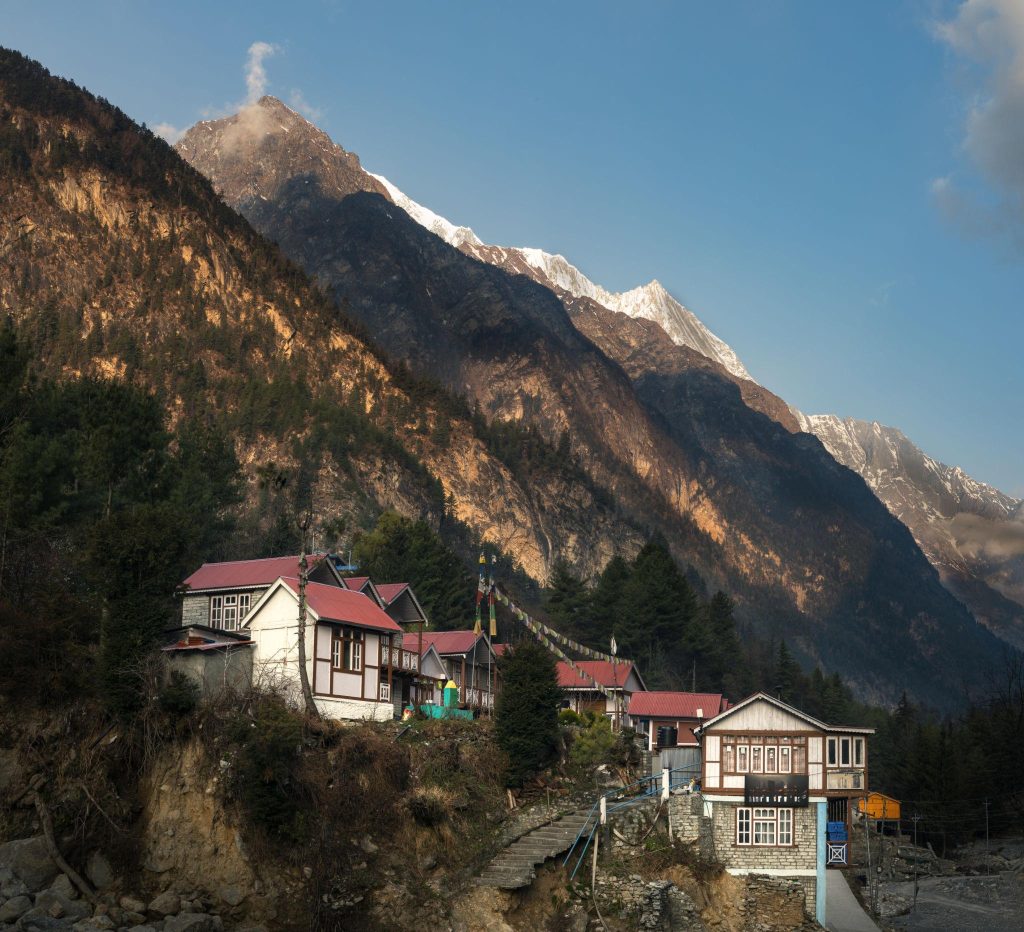
Chame Village
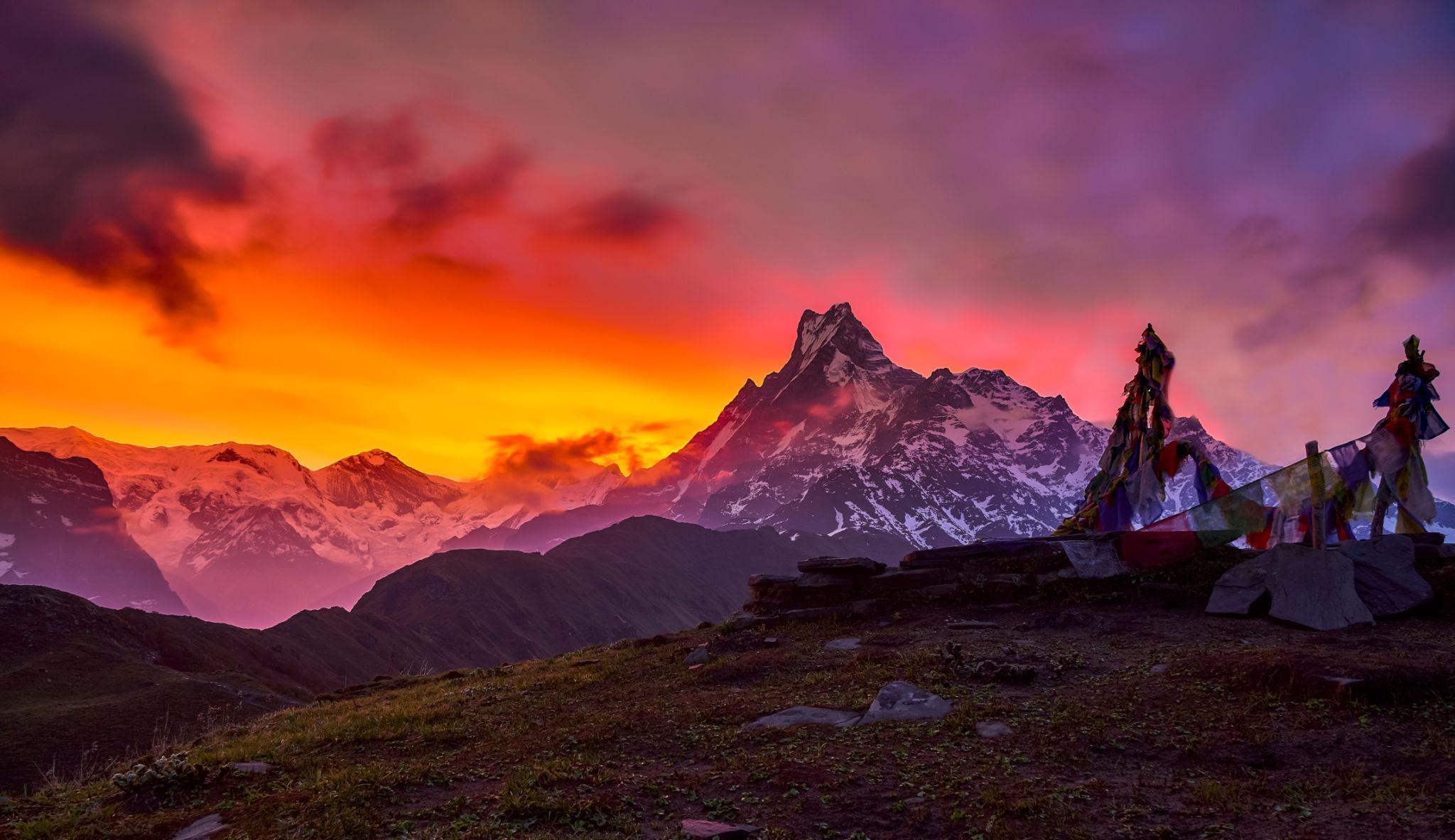
I remember stopping many times just to admire the scenery. At Upper Pisang, the traditional Tibetan-style houses, fluttering prayer flags, and peaceful atmosphere made the village feel magical. Children played outside while elderly locals sat quietly in the sun, smiling warmly at trekkers passing by. That evening, the sunset painted the mountains orange and pink. It was one of the most beautiful sunsets I had ever seen.
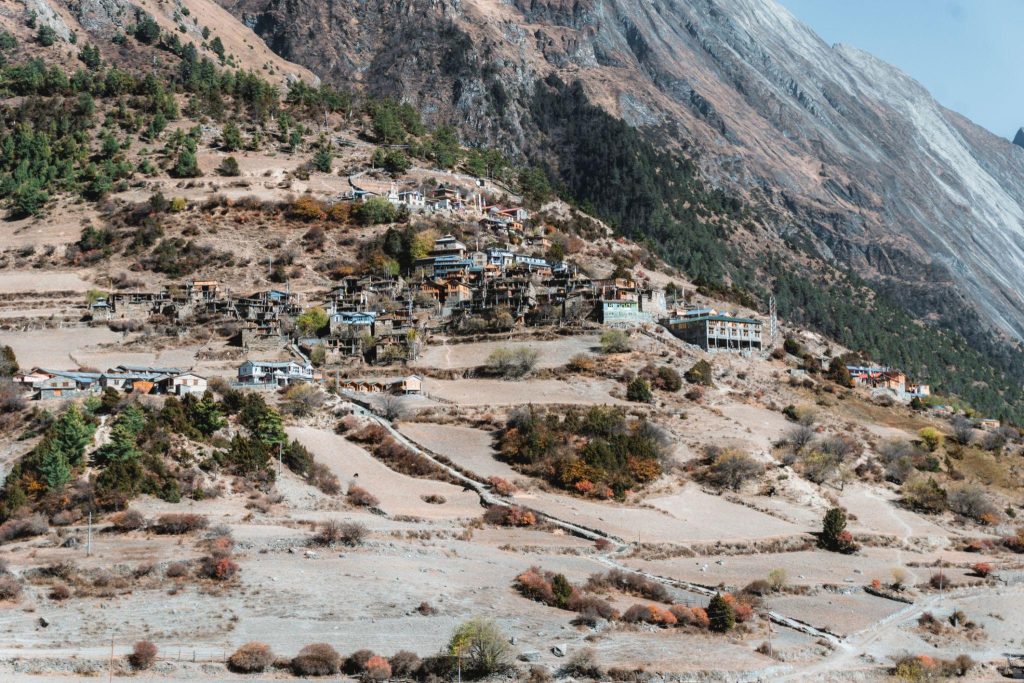
Pisang Village
Entering the Beautiful Valley of Manang
The day we reached Manang was unforgettable. The trail gradually opened into a wide Himalayan valley surrounded by massive snowy peaks. The landscape looked completely different from lower regions. Dry hills, rocky mountains, frozen streams, and open skies created a dramatic Himalayan desert.
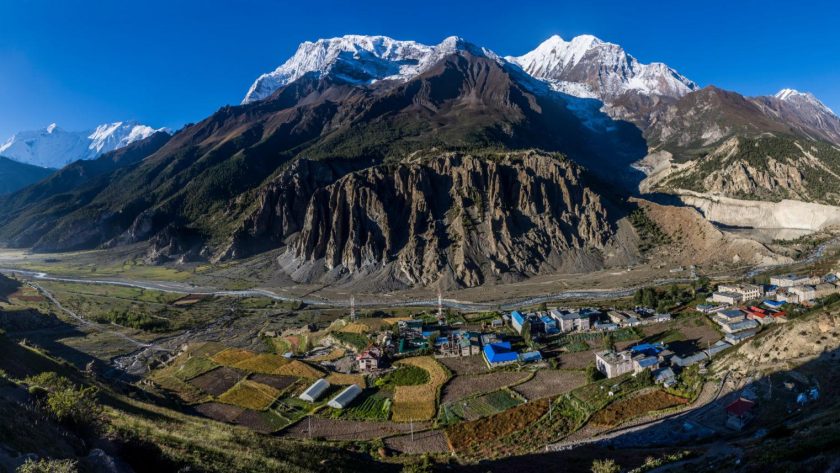
As we approached the village, colorful prayer flags danced in the wind while the giant peaks of the Annapurna range towered above us. Finally, after several days of trekking, we entered Manang. The village was beautiful beyond words. Stone houses stood close together, surrounded by mountain walls and snowy peaks. Small bakeries, teahouses, trekking shops, and monasteries filled the narrow streets. Despite being remote, the village had a warm and lively atmosphere.
The first thing I did after checking into the teahouse was sit outside with a cup of hot coffee and simply stare at the mountains. At that moment, everything felt peaceful. No traffic noise. No stress.No busy schedules. Only mountains, cold wind, and silence.
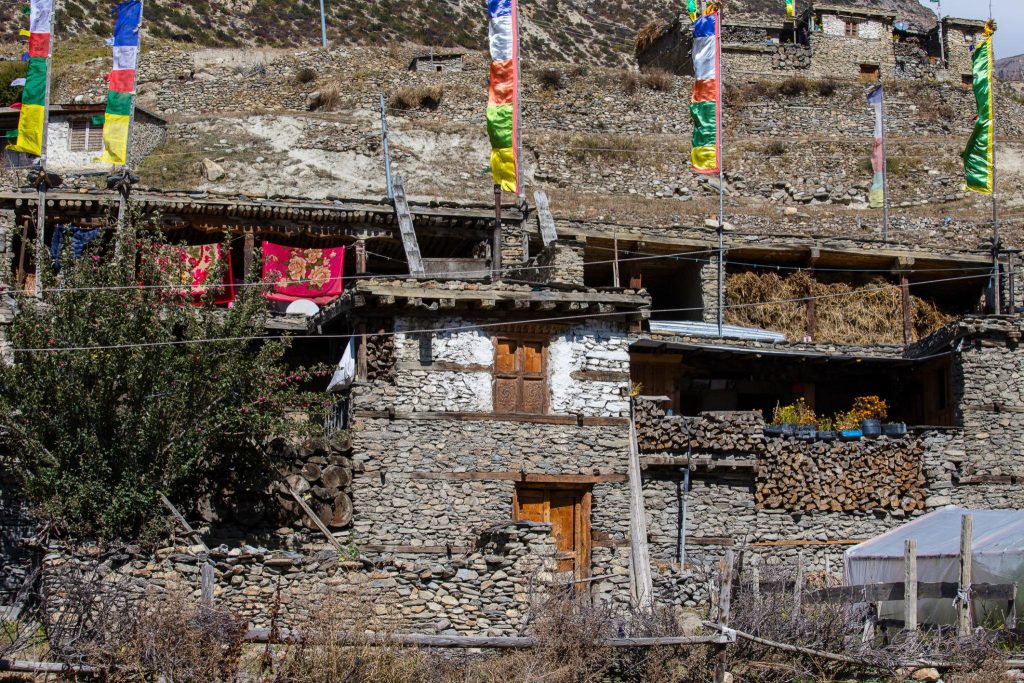
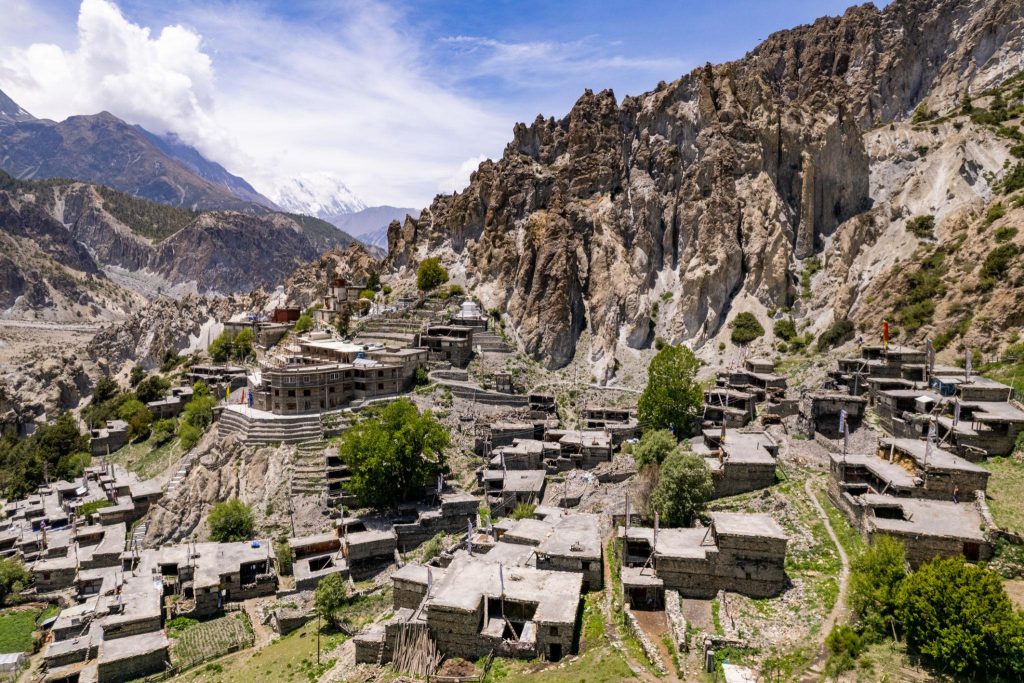
Stone houses of Manang
Rest Day in Manang
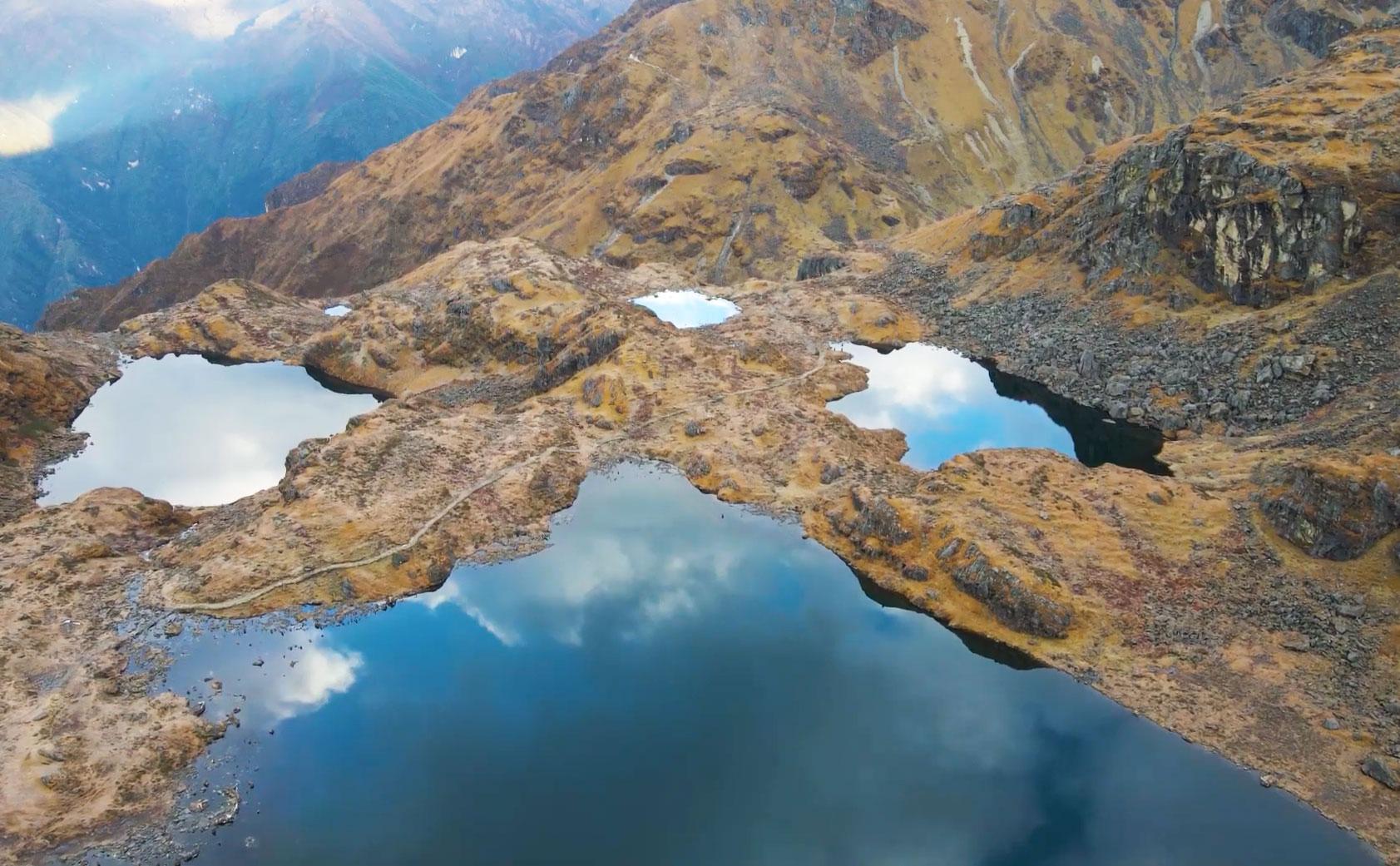
Most trekkers stay one extra day in Manang so their body can adjust to the high altitude before going to higher places like Thorong La Pass. We also stayed for one more day, and it became one of the best memories of our trek. Early in the morning, we walked to Gangapurna Lake. The blue lake, snowy mountains, and glaciers looked very beautiful. The reflection of the mountains in the water made the place look like a postcard. The wind was cold and strong, but the amazing views made us forget the cold weather.
Later, we visited a small Buddhist monastery above the village. Colorful prayer flags were flying in the wind, and monks were praying quietly. Sitting there and looking at the Annapurna mountains felt very peaceful. One local lodge owner told us about life in Manang during winter. Heavy snowfall often blocks the trails, and many local people depend on tourism and yak farming for their income. Listening to their stories made us respect the mountain people even more. Life in the Himalayas is difficult, but the people are always kind and smiling.
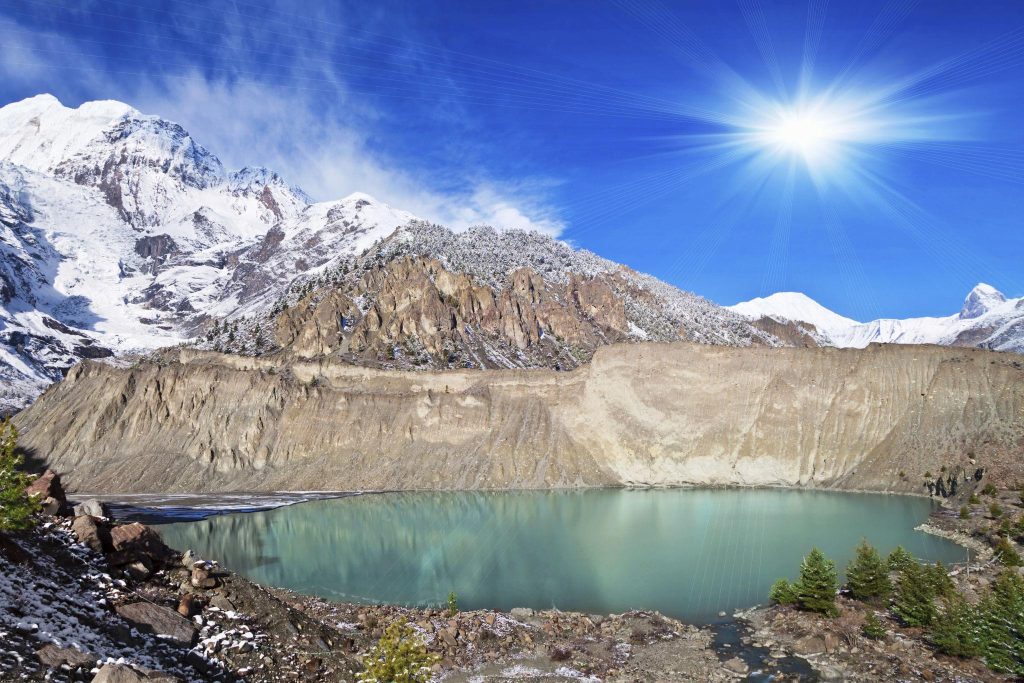
Gangapurna Lake
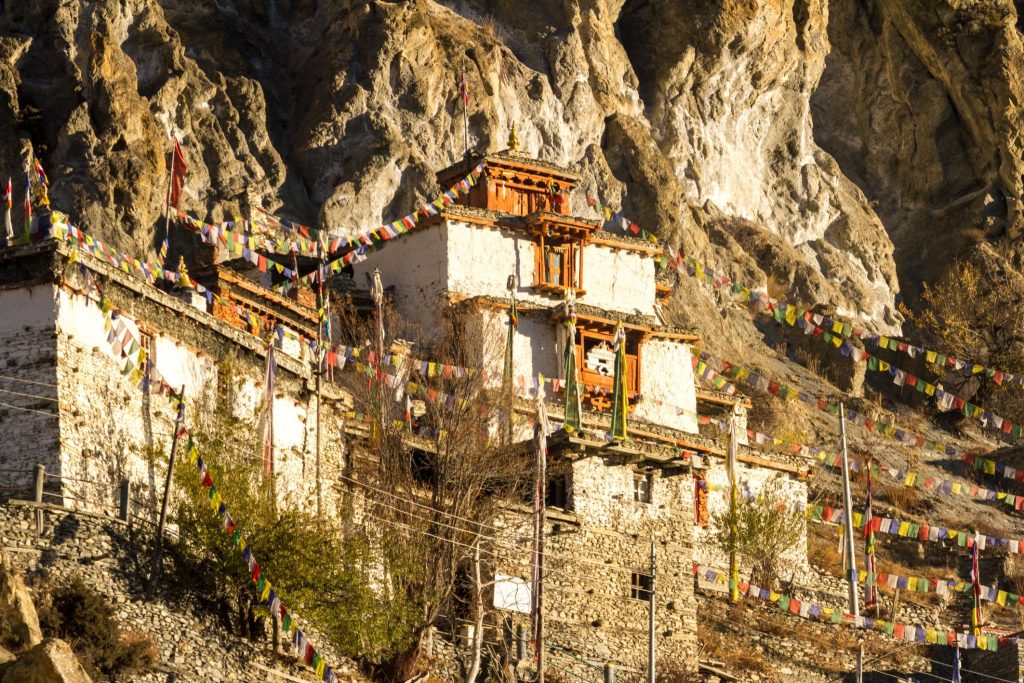
Buddhist monastery in the mountain village – Braga (Braka)
The Food and Teahouse Experience
One thing I truly loved during the trek was the teahouse culture. Every evening, trekkers gathered around the dining hall fireplace, sharing stories and warming themselves after long walking hours.
The food was surprisingly good even at high altitude. Dal Bhat became our daily energy source. Hot soup, Tibetan bread, fried rice, noodles, pancakes, and apple pie were common menu items. And honestly, after trekking for hours in cold weather, even simple food tasted amazing.
One evening in Manang, snow started falling lightly outside while we sat inside drinking hot lemon tea. Everyone in the dining hall became quiet for a moment, simply watching the snowfall through the window. It felt magical.
The Challenge of High Altitude
Although Manang was incredibly beautiful, the altitude was also challenging. At over 3,500 meters, walking became slower, breathing became harder, and the cold nights tested our endurance. Some trekkers experienced headaches and fatigue due to altitude sickness. That is why proper acclimatization is extremely important in this region.
I remember waking up one night feeling short of breath because of the thin mountain air. Stepping outside, I saw a sky full of stars brighter than anything I had ever seen before. The Milky Way stretched across the dark Himalayan sky. At that moment, despite the cold and exhaustion, I felt lucky to be there. Trekking in the mountains teaches patience. It teaches you to slow down, respect nature, and appreciate small moments.
The People of Manang
One of the most memorable parts of the journey was meeting the local people. The people of Manang are warm, hardworking, and deeply connected to their culture and mountains. Many families run teahouses and lodges for trekkers. Despite the difficult mountain life, they always welcomed visitors with kindness and smiles.
I remember talking with an elderly woman who served us tea every evening. She told us how tourism changed life in the village over the years. Before trekking became popular, transportation and communication were very limited. Now trekkers from all around the world visit Manang every year. Yet the village still keeps its traditional charm. Prayer wheels continue spinning. Monasteries remain peaceful. Yaks still walk along mountain trails. The modern world feels far away there.
Saying Goodbye to Manang
Leaving Manang was emotional. After spending several days surrounded by mountains and peaceful village life, it was difficult to say goodbye. Early in the morning, we packed our bags and prepared to continue towards Yak Kharka and eventually Thorong La Pass.
Before leaving, I walked one last time through the quiet stone streets of the village. The morning sunlight slowly touched the snowy peaks above the valley while prayer flags fluttered in the cold wind. I stopped for a moment and looked back at the village. That view remains in my memory even today.
What the Trek Taught Me
The trek to Manang was not only about reaching a destination. It became a journey of experience, patience, and self-discovery. The mountains taught me that happiness does not always come from comfort or luxury.
Sometimes happiness comes from simple things:
- Watching sunrise over snowy peaks
- Drinking hot tea after a long walk
- Hearing river sounds at night
- Smiling at strangers on the trail
- Sitting quietly beneath the Himalayan sky
In the mountains, life feels simple and real. Even now, whenever I look at my trekking photos, I remember the cold wind, the peaceful valleys, the sound of prayer flags, and the feeling of standing among the giant Himalayas. Manang is not just a trekking destination. It is an experience that stays in your heart forever.
Travel Tips for Trekking to Manang
Best Time to Visit
- Spring (March–May)
- Autumn (September–November)
These seasons offer clear mountain views and stable weather.
Things to Pack
- Warm jacket
- Trekking boots
- Gloves and woolen cap
- Water bottle
- Sunglasses
- Sunscreen
- Power bank
Important Advice
- Walk slowly at high altitude
- Drink plenty of water
- Take acclimatization seriously
- Respect local culture and traditions
- Carry cash because ATMs are limited
Final Thoughts
If you love mountains, adventure, and peaceful nature, trekking to Manang is an unforgettable experience. Every trail, village, mountain, and conversation becomes part of the journey. The Himalayas have a special way of changing people. And somewhere between the rivers, snowy peaks, and silent valleys of Manang, I left a small piece of my heart behind.