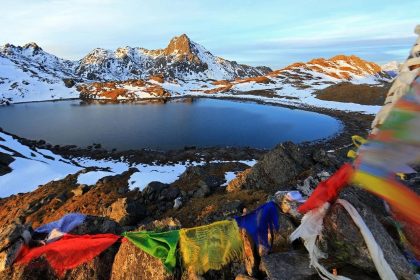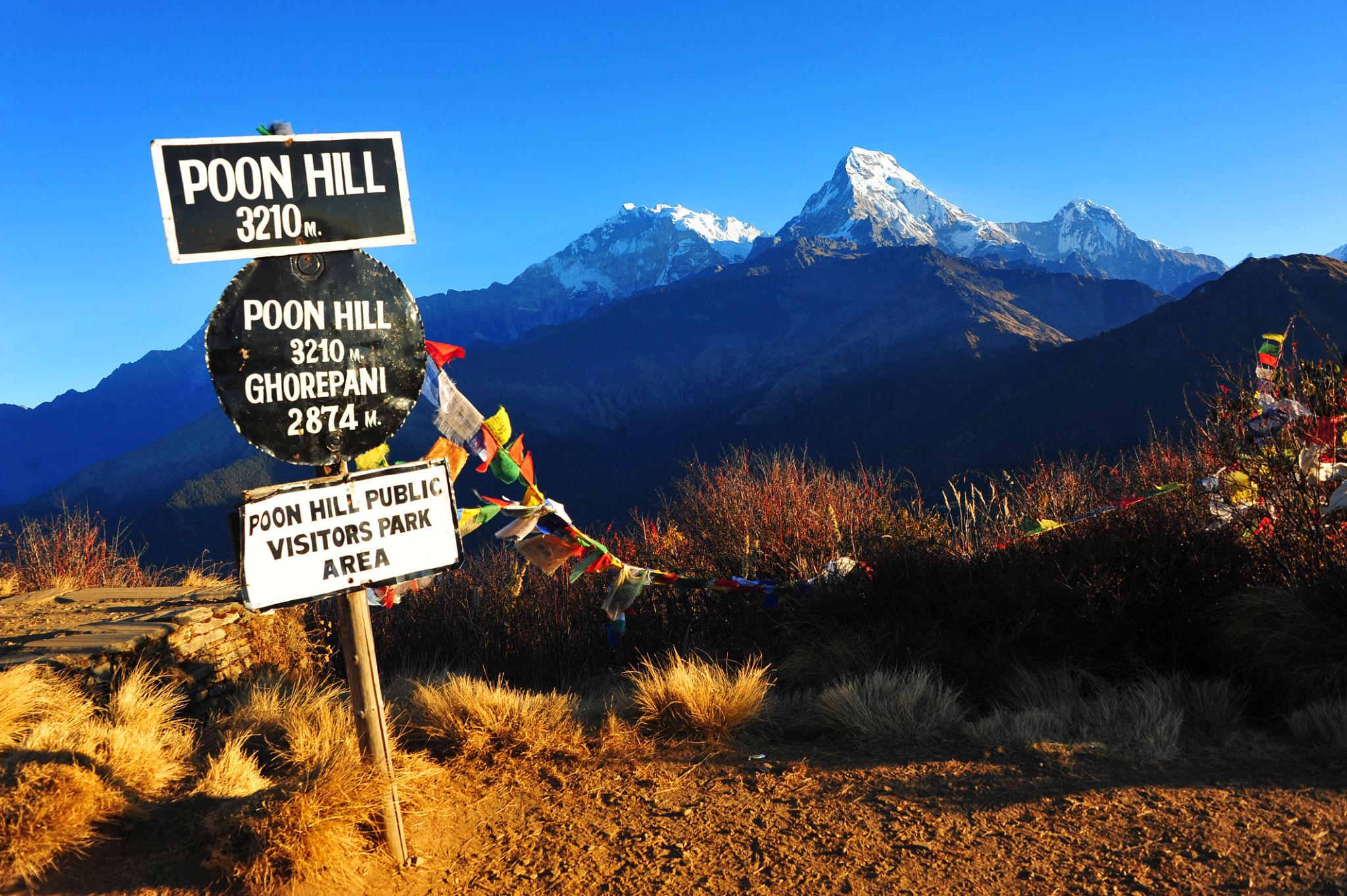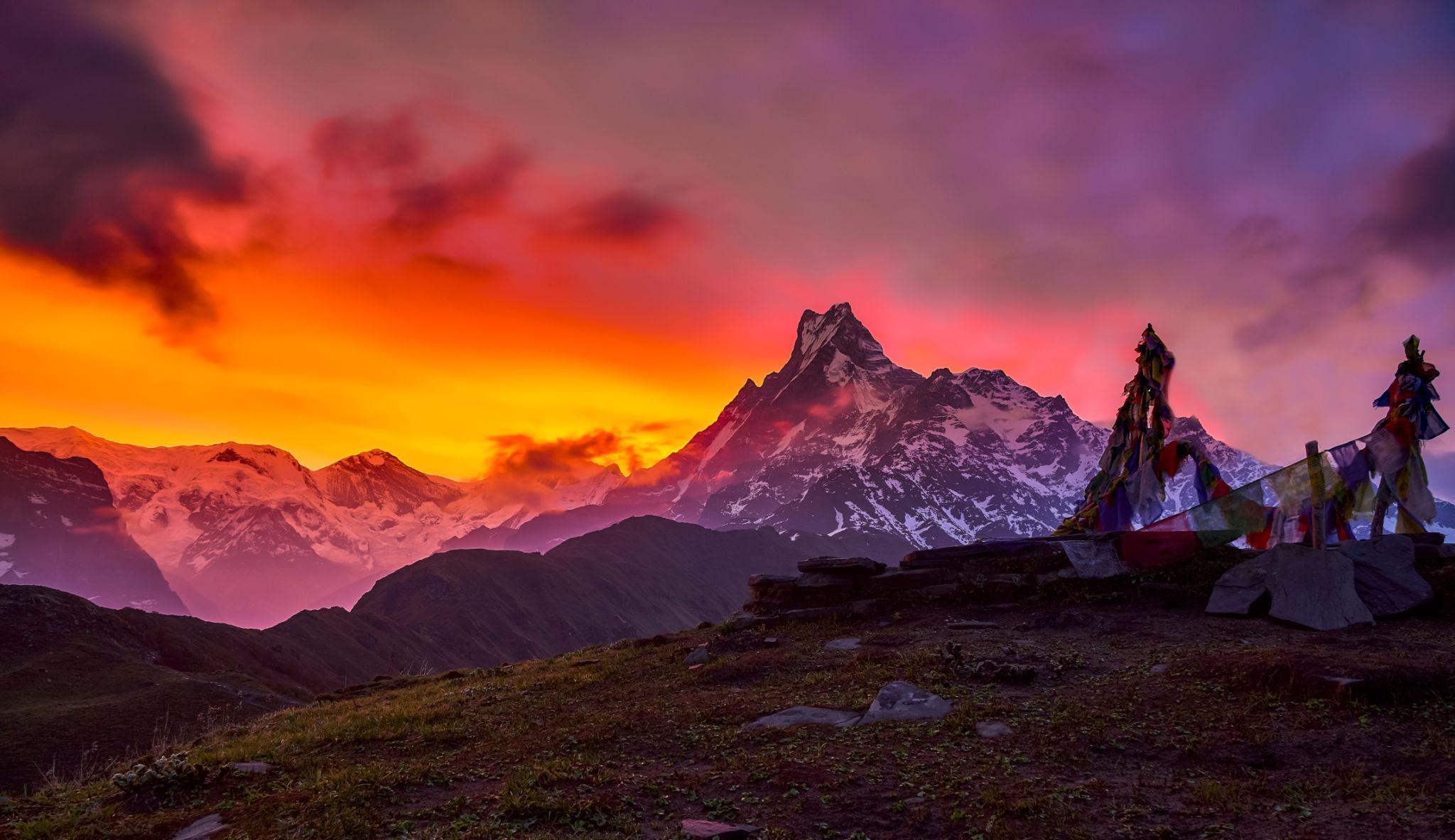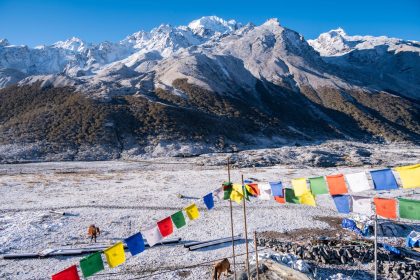
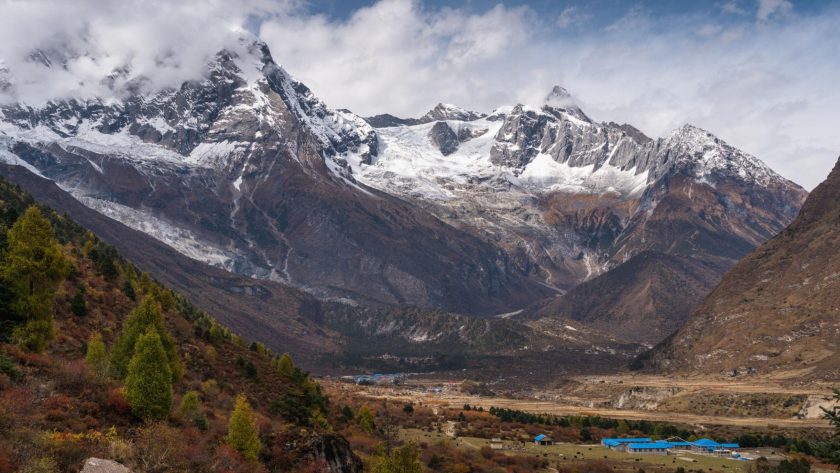
The Manaslu Circuit Trek was one of the most complete Himalayan experiences I’ve ever had—remote villages, roaring rivers, high passes, Buddhist culture, glaciers, and a constant presence of the massive mountain Mount Manaslu watching over the entire journey. Unlike Everest or Annapurna, this trek still feels raw and less commercial. There are fewer trekkers, fewer lodges, and more silence. But that silence is exactly what makes the Manaslu region unforgettable. This is my personal travel story of the Manaslu Circuit Trek.
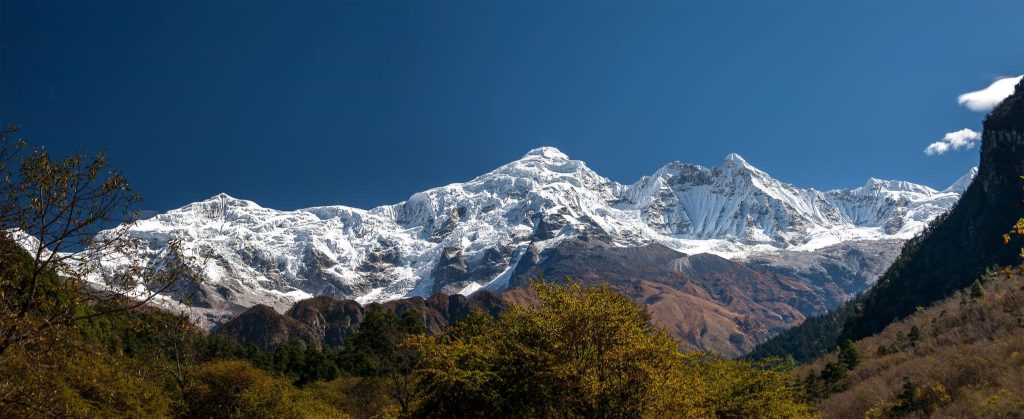
Starting the Journey: Kathmandu to Machha Khola
The journey began from Kathmandu in a shared jeep heading toward the Gorkha region. As soon as we left the city, the smooth highway slowly turned into a rough off-road track. The jeep bounced constantly, sometimes hugging narrow cliffs with the Budhi Gandaki River far below.
The ride was long, dusty, and tiring—but also exciting. Every bend revealed waterfalls, terraced hills, and tiny villages clinging to the slopes. After many hours, we finally reached Machha Khola. It was a small riverside settlement with simple tea houses and the constant sound of flowing water. That night, I stayed there, listening to the river and thinking about the journey ahead.
Trek Begins: Machha Khola to Jagat
The first trekking day immediately felt intense. The trail followed the Budhi Gandaki River through narrow gorges. We crossed multiple suspension bridges hanging high above roaring water. Some sections were carved into cliffs where one side was rock and the other was a drop into the river. It was beautiful—but demanding.
We passed small villages, prayer flags, and farming terraces. Locals greeted us warmly, and children waved from stone houses. By afternoon, we reached Jagat, a traditional stone village surrounded by hills. Jagat is also where the Manaslu Conservation Area officially begins, so permits were checked here. The journey already felt deeper, quieter, and more remote.
Entering the Forest Zone: Philim to Deng
From Jagat onward, the trail became greener and more peaceful. Philim village stood out with wide fields and a calmer landscape. It felt like a small green oasis before the mountains closed in again. After Philim, the trail entered dense bamboo and forest zones. The river below roared louder as the gorge became narrower.
This section felt wild and untouched. We walked through damp forests, crossed shaky bridges, and climbed steep stone steps. Deng was a small village hidden in the forest where we rested for the night. The air was cooler now. The mountains felt closer.
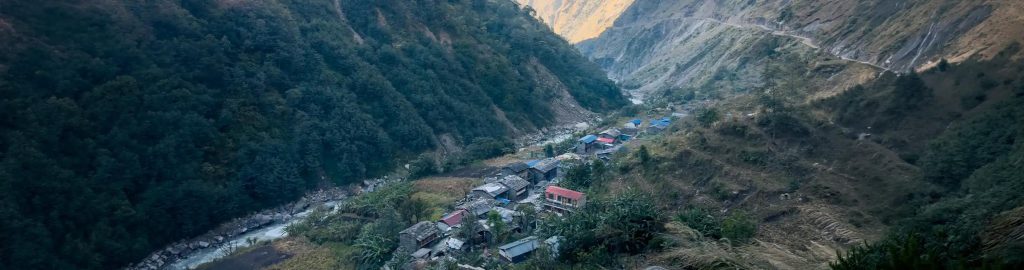
Philim Village
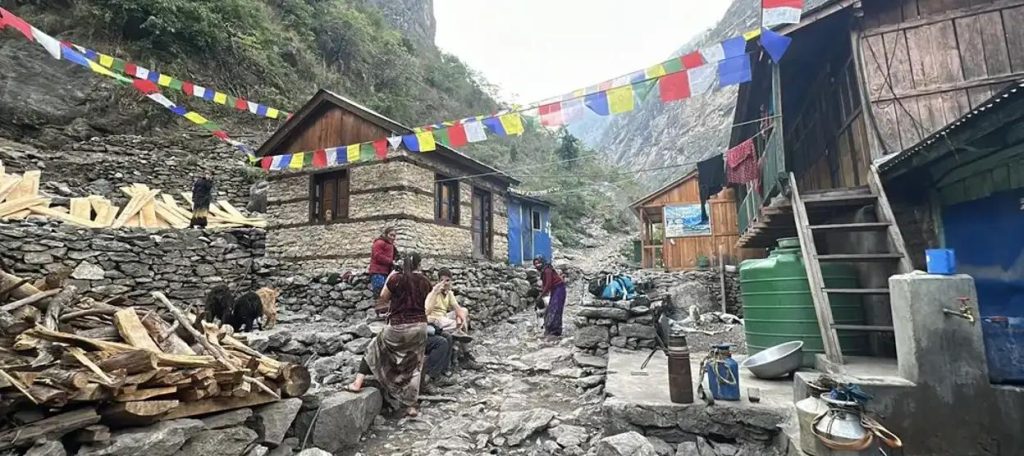
Deng Village
Cultural Shift: Namrung and Lho Village
As we gained altitude, everything slowly changed. The forests became thinner, and Buddhist culture became more visible. Mani walls with carved prayers lined the trails, and colorful prayer flags fluttered in the wind. Namrung offered the first clear view of snow peaks. I stopped there for a long time, just watching the mountains.
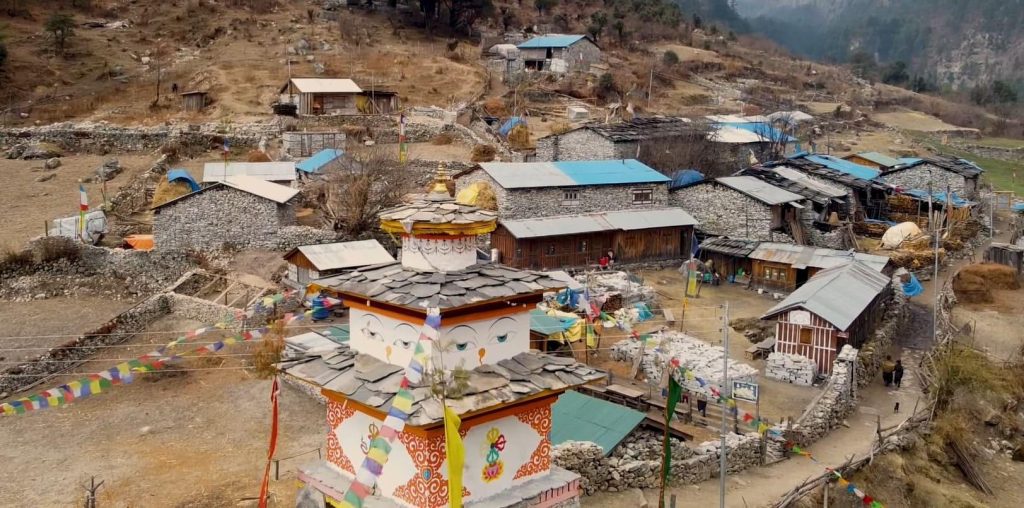
Namrung
But Lho village was even more unforgettable. A monastery sits above the village with a direct view of Mount Manaslu. I remember sitting quietly there, watching the mountain shift colors during sunset. That moment felt spiritual. The mountains didn’t feel distant anymore , they felt present, alive, and watching over everything.
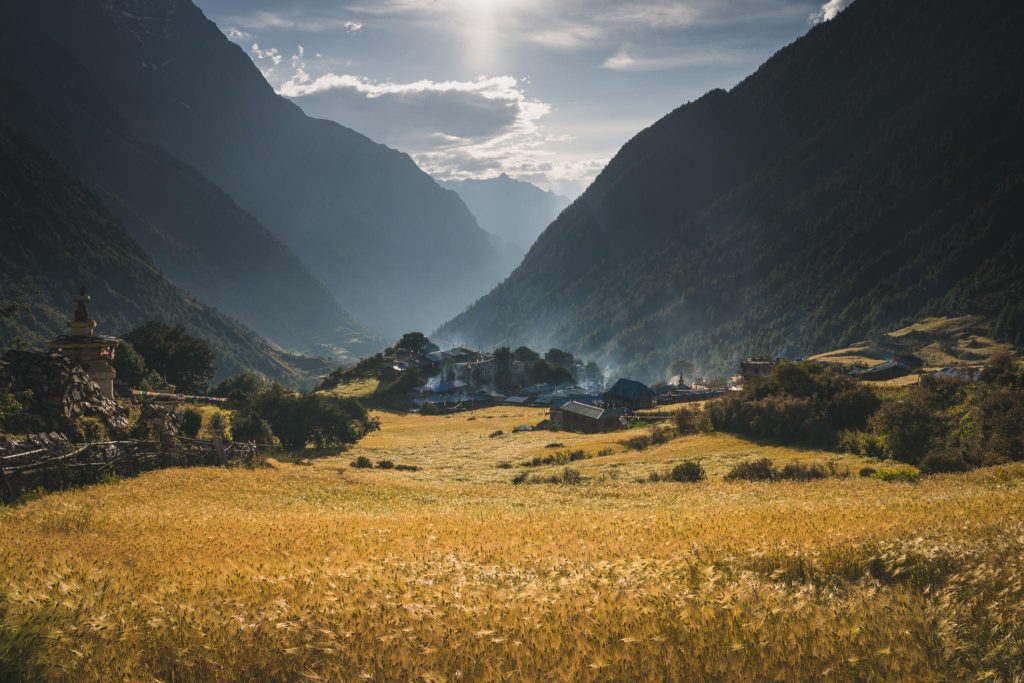
Lho Village
Samagaun: The Heart of the Manaslu Region
Samagaun is one of the most beautiful places on the entire Manaslu Circuit. Surrounded by glaciers and towering peaks, it feels like a high-altitude Himalayan basin.I spent a rest day here to acclimatize and explore nearby places like Birendra Tal and Pungyen Gompa. The lake water was icy blue, reflecting surrounding peaks. Yaks grazed quietly in the open fields. Life here felt slow and peaceful. At night, the temperature dropped sharply, and the sky filled with stars brighter than I had ever seen before.
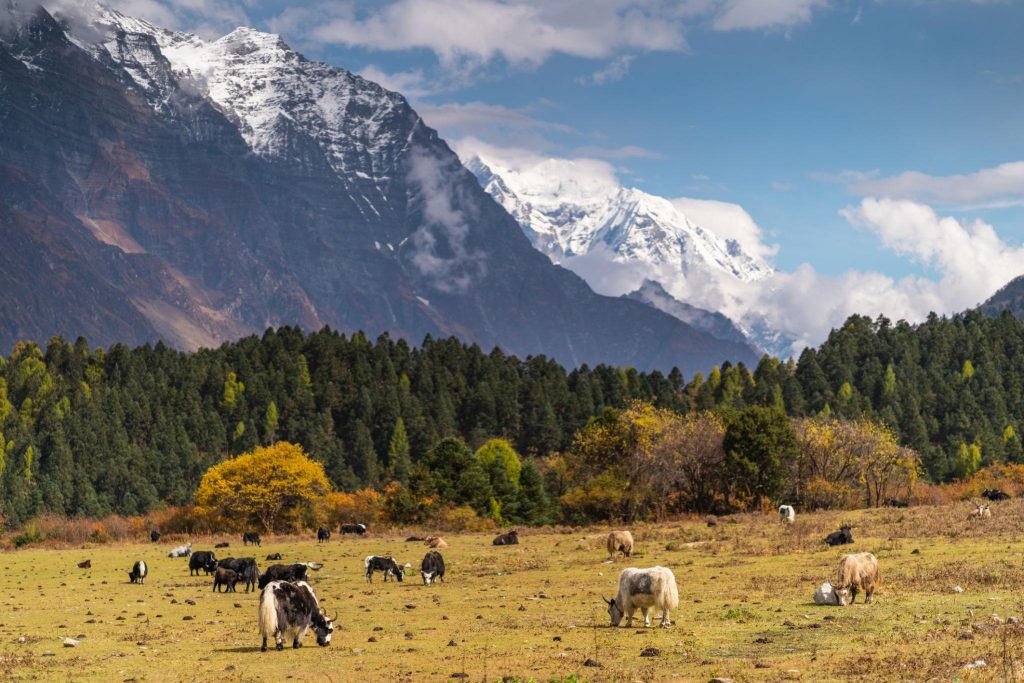
Yaks eating in meadow, Samagaun village in Manaslu circuit trek, Nepal
Acclimatization Hike: Manaslu Base Camp
One of the toughest but most rewarding hikes was the climb toward Manaslu Base Camp. The trail was steep and rocky. Breathing became harder due to altitude, and every step felt slower. But the reward was incredible. From the higher viewpoint, I saw glaciers flowing between massive peaks. The silence was overwhelming. Standing there made me realize how small we are in front of nature. It was one of the most powerful moments of the trek
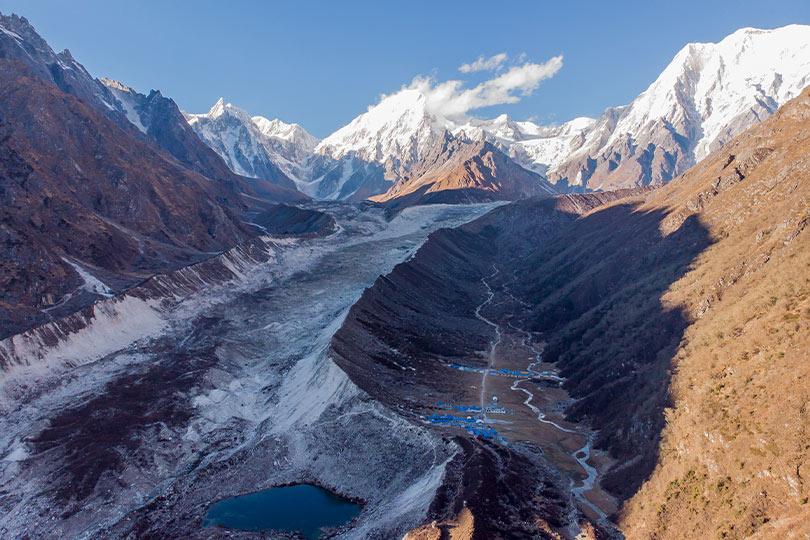
View of the Manaslu Range during the best time to trek to Manaslu Base Camp
The Ultimate Challenge: Larkya La Pass
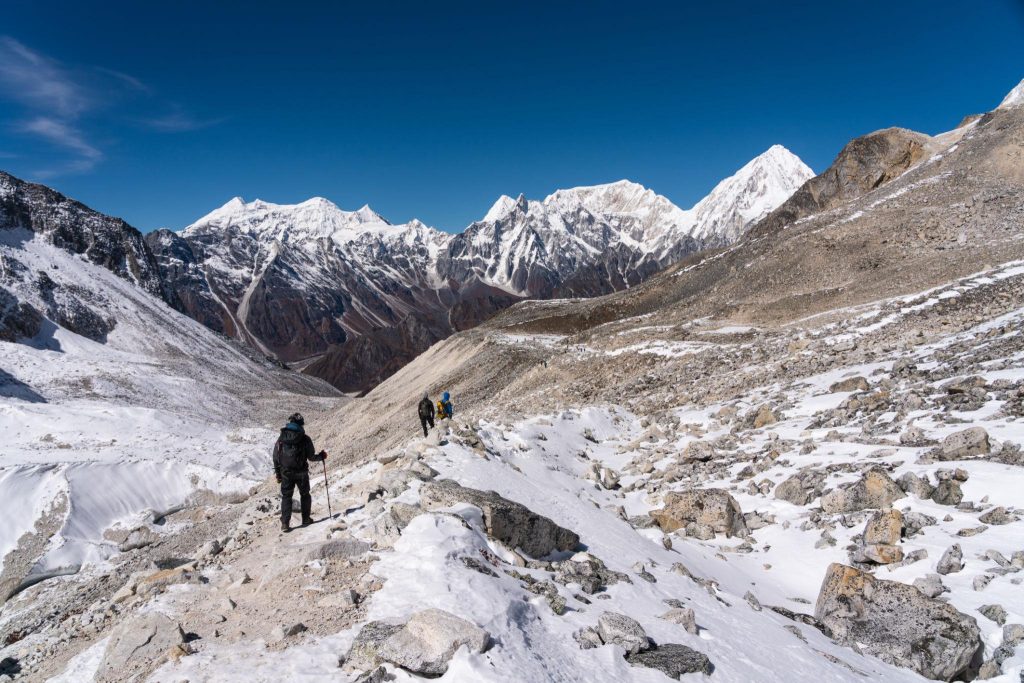
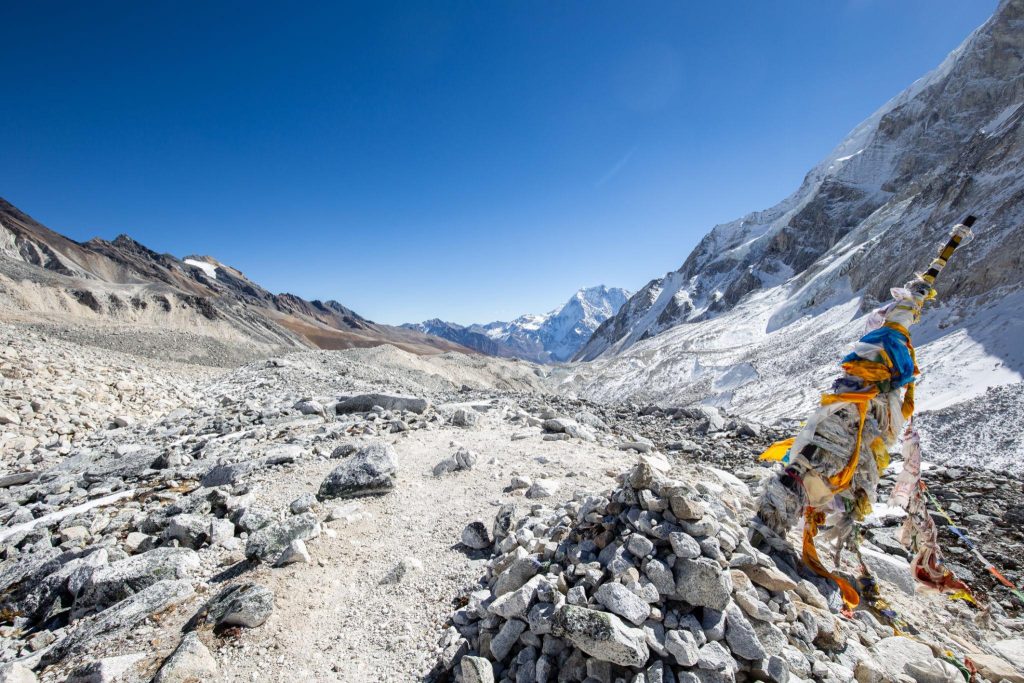
The most difficult day was crossing Larkya La Pass. We started before sunrise in freezing wind. The trail was covered in snow and ice, and every step required full concentration. As we climbed higher, the world below disappeared into clouds. At the top, everything opened up—endless Himalayan peaks, glaciers, and silence. It felt like standing on the roof of the world. But the descent was long and exhausting, testing both physical and mental strength. Still, it was the most rewarding achievement of the entire trek.
Descent to Bimthang
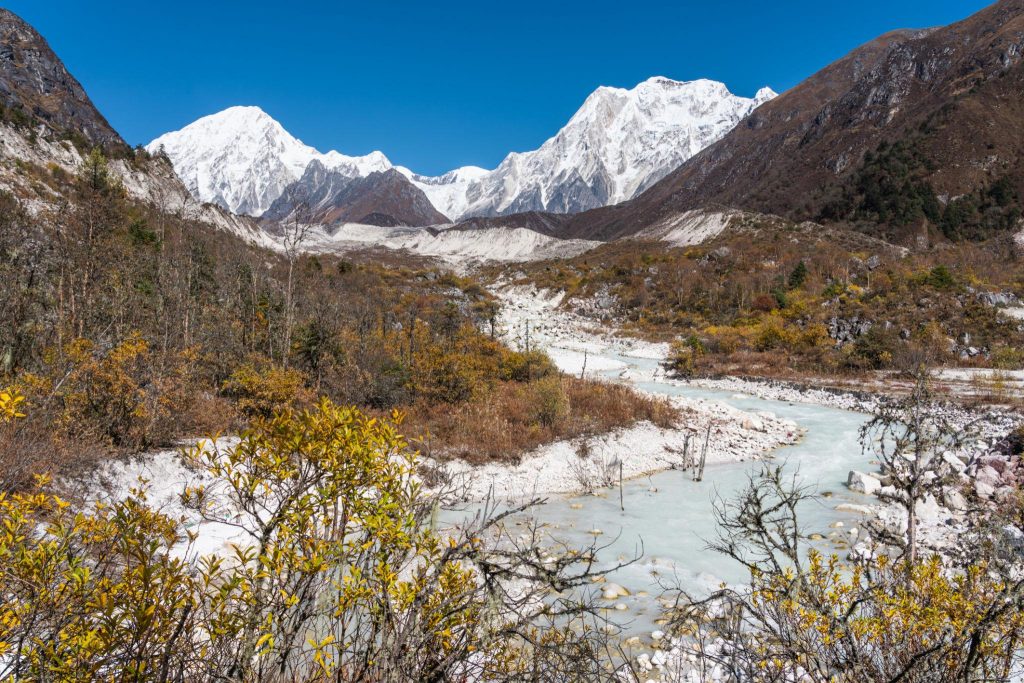
After crossing the pass, the landscape completely changed. Snowy deserts turned into green valleys and alpine meadows. Bimthang felt like paradise after the harsh pass. Rivers flowed gently, and mountains glowed at sunset. That night felt peaceful and warm compared to the freezing altitude before. It was like the mountains were giving us a final reward.
Final Walk: Bimthang to Dharapani
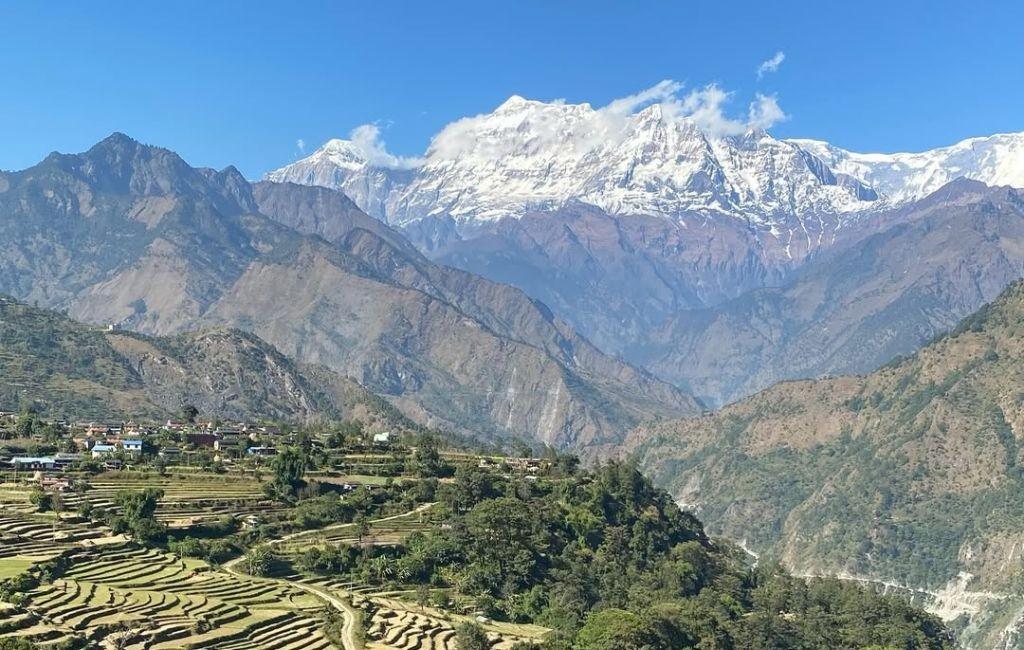
The final stretch passed through forests, waterfalls, and small villages. The air became warmer as we descended. By the time we reached Dharapani, the trek officially ended. There was a strange feeling—relief, pride, and sadness all at once. The journey was over, but the memories were permanent.
Culture and People of Manaslu
The Manaslu region is rich in Gurung and Tibetan-influenced Buddhist culture. Monasteries, mani walls, chortens, and prayer flags are seen everywhere. People are extremely kind, simple, and welcoming.Their lifestyle is deeply connected to mountains and traditions.
Food during the trek included:
- Dal bhat
- Tibetan bread
- Noodles
- Butter tea
- Potatoes
Every meal felt special in the cold mountain environment.
Challenges of the Trek
The Manaslu Circuit Trek is demanding:
- Long walking days
- Remote and isolated trails
- High altitude risks
- Cold weather conditions
- Limited facilities
But every challenge makes the journey more meaningful.
Best Time for Manaslu Trek
Best seasons:
- Spring (March–May)
- Autumn (September–November)
These seasons offer clear skies, stable weather, and amazing mountain views.
Final Thoughts
The trek around Mount Manaslu is one of the most powerful Himalayan journeys I’ve ever experienced. From deep river gorges to high snowy passes, from quiet Buddhist villages to massive glaciers, every step felt meaningful. Crossing Larkya La Pass wasn’t just a physical challenge—it was a personal transformation. Even now, I still remember the wind, the silence, the mountains, and the feeling of standing among giants. Manaslu is not just a trek. It is an experience that stays with you for a lifetime.