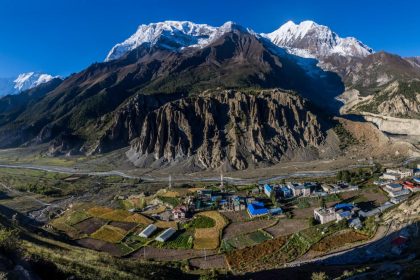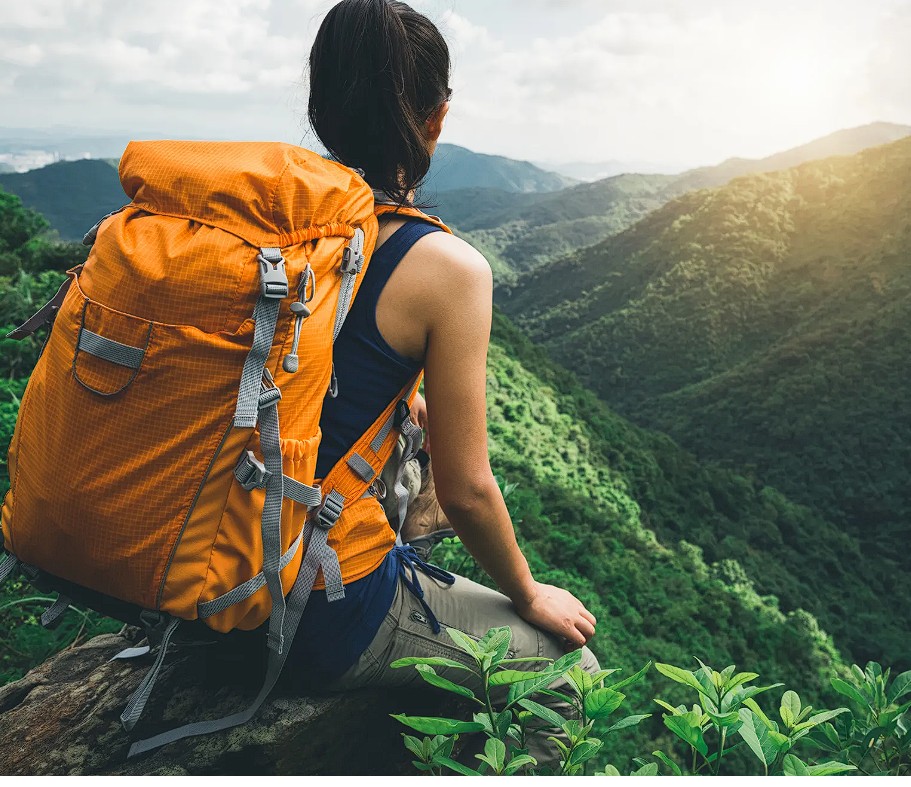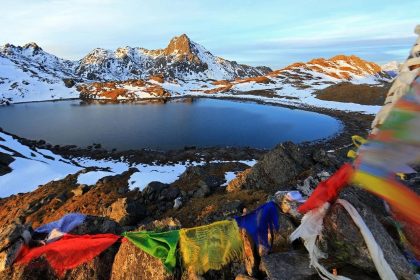
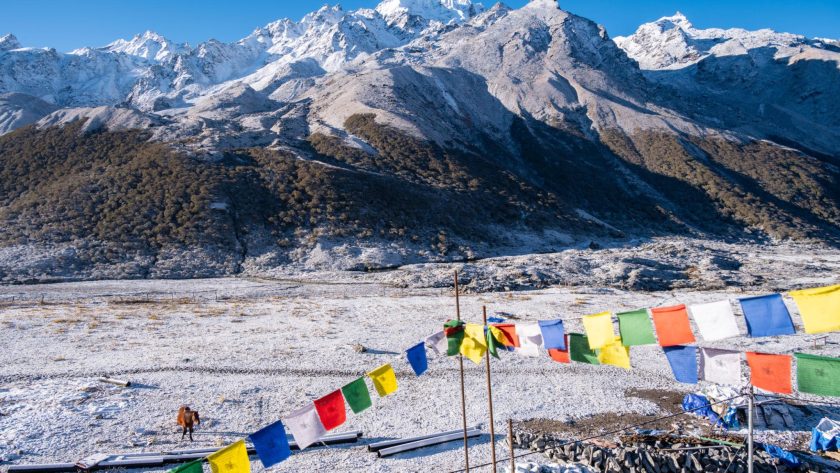
The Langtang Valley trek was one of the most peaceful, emotional, and naturally rich journeys I have ever experienced in Nepal. Located inside Langtang Valley, this trek is often called the “Valley of Glaciers” because of its dramatic mountain scenery, peaceful villages, yak pastures, and deep cultural roots. Unlike crowded trekking routes, Langtang felt calm, raw, and deeply connected to nature. Every step on this trail gave me a sense of silence and reflection that is hard to find in busy life. This is my complete travel story of the Langtang Valley trek, written from personal experience, including every major detail of the journey.
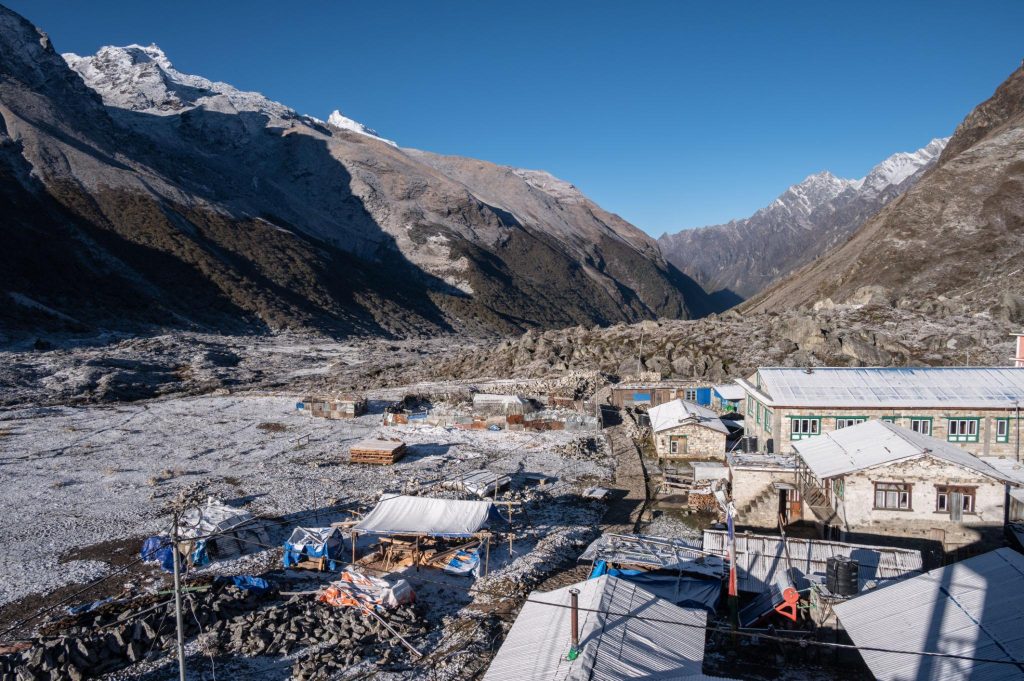
Starting the Journey: Kathmandu to Syabrubesi
The journey began early in the morning from Kathmandu. The jeep ride to Syabrubesi was long, rough, and full of adventure. As we left Kathmandu, the city slowly disappeared behind hills and traffic noise. The road followed the Trishuli River, where strong currents rushed through deep valleys. The ride was not comfortable, but the views made everything worth it. Green hills, waterfalls, suspension bridges, and small villages appeared along the way.
After nearly 7–8 hours of travel, we finally reached Syabrubesi, a small village surrounded by hills and rivers. That night, I stayed in a simple guesthouse. The air was fresh and cold. I could already feel that the real mountain journey was about to begin.
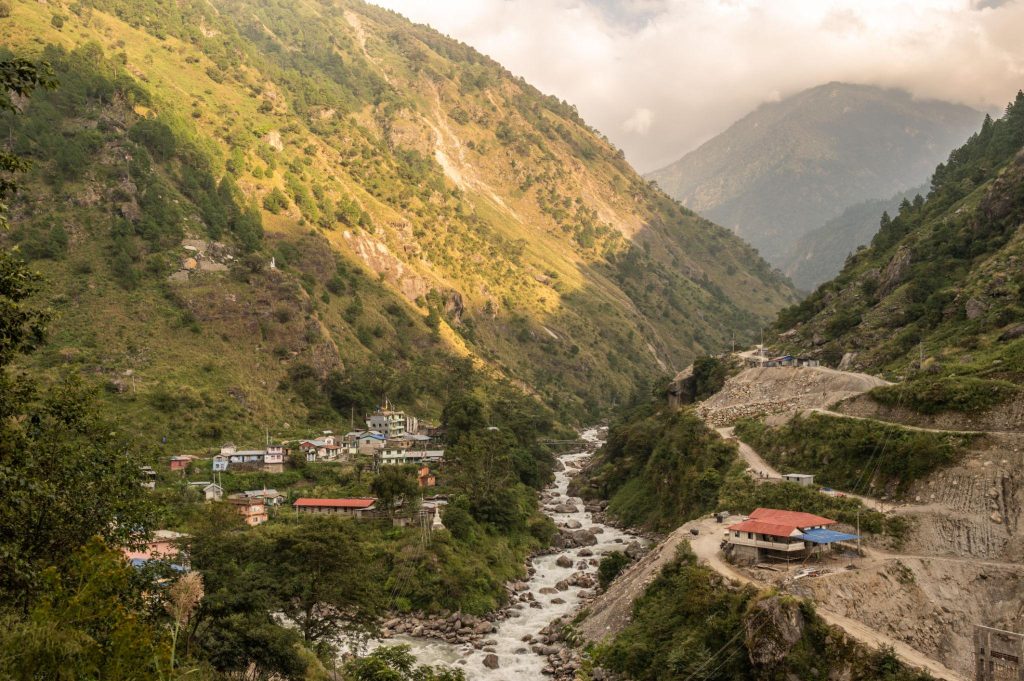
Syabrubesi Village
First Day of Trek: Syabrubesi to Lama Hotel
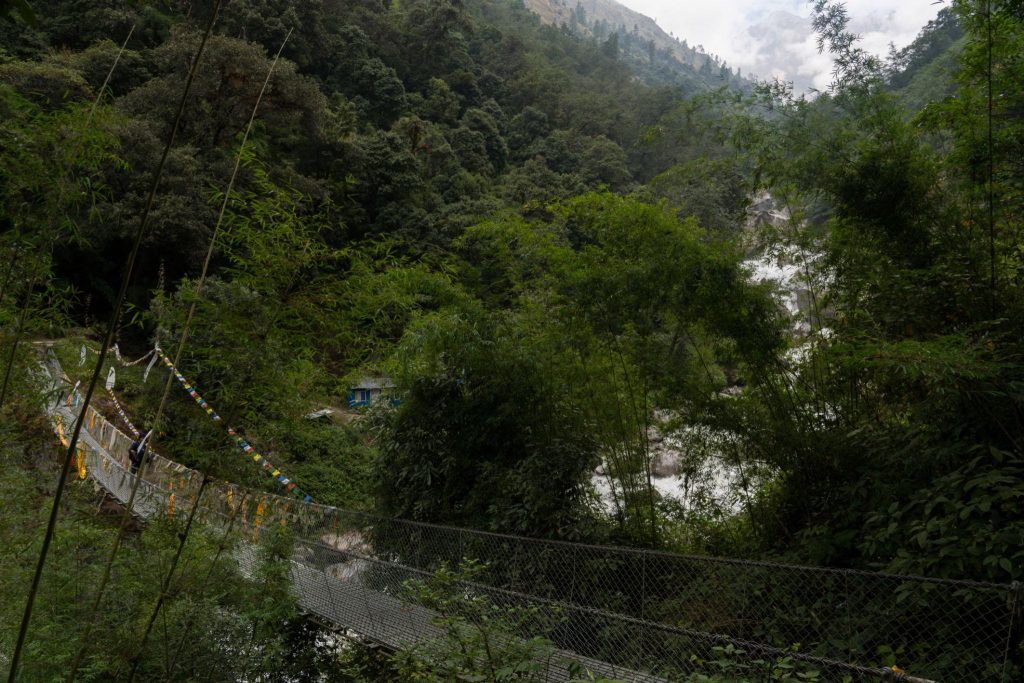
The next morning, I officially started trekking into Langtang National Park. The trail began gently but quickly entered dense forests filled with bamboo, oak, and rhododendron trees. The sound of the Langtang River followed us throughout the journey. Walking through the forest felt magical. Sunlight passed through tall trees, birds were everywhere, and the river flowed loudly beside the trail.
One of the most exciting parts of this section was crossing long suspension bridges above deep valleys. However, the trek was physically demanding. The trail included continuous uphill climbs and rocky paths. By late afternoon, I reached Lama Hotel, a peaceful resting place surrounded by forest. That night, I slept early, listening to the sound of the river and wind through trees.
Trek to Langtang Village
The journey from Lama Hotel to Langtang Village was one of the most emotional parts of the trek. As I moved higher, the forest slowly opened into wide valleys. Snow-covered peaks started appearing clearly for the first time. The landscape changed dramatically. Stone houses replaced dense trees, and yak pastures appeared in open fields.
Langtang Village holds deep emotional importance because it was heavily affected by the 2015 earthquake and avalanche. The village has been rebuilt with strength and resilience. Walking through the village, I could feel both sadness and hope at the same time. Prayer flags fluttered over rebuilt houses, and locals welcomed trekkers warmly. Their strength and positive spirit deeply inspired me. That night in Langtang Village was cold but peaceful. The stars above the mountains looked incredibly bright.
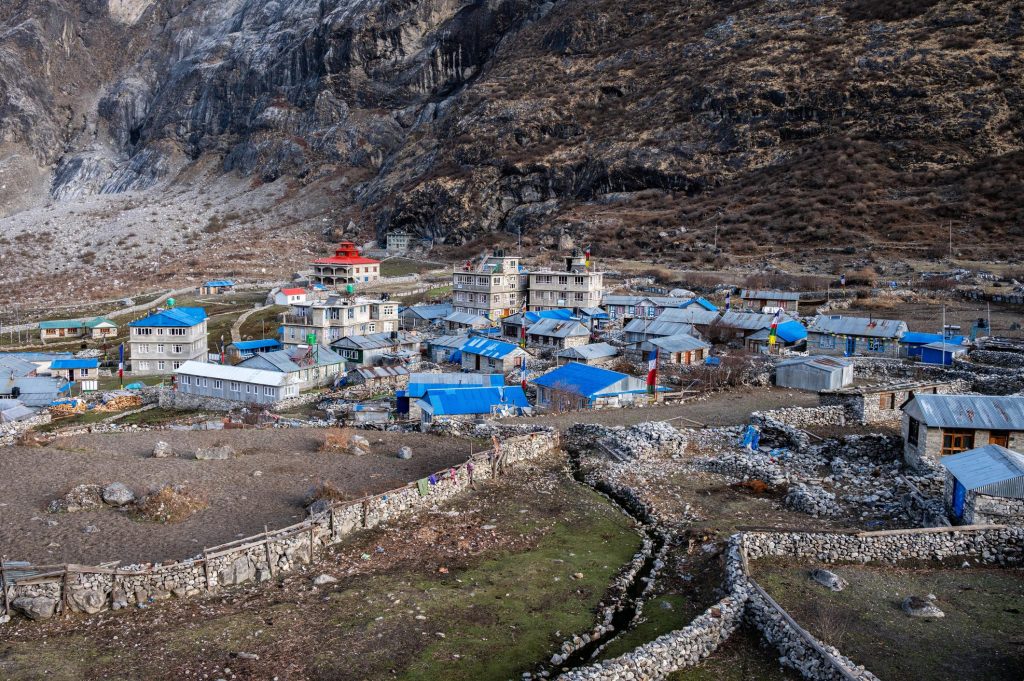
Lamtang Village
Trek to Kyanjin Gompa
The next day’s walk to Kyanjin Gompa felt like entering another world. The valley became wider, and mountains surrounded us from every direction. Snow peaks reflected sunlight beautifully. This section of the trek is one of the most scenic parts of Langtang.
We passed small settlements, yak farms, and a famous cheese factory in Kyanjin. The smell of fresh yak cheese and butter tea filled the air in small shops. Kyanjin Gompa is a peaceful Buddhist monastery village surrounded by glaciers and mountains. It felt spiritual and calm. I spent the evening walking around the village, watching mountains change colors during sunset. That night was extremely cold, but the view outside my window made everything worth it.
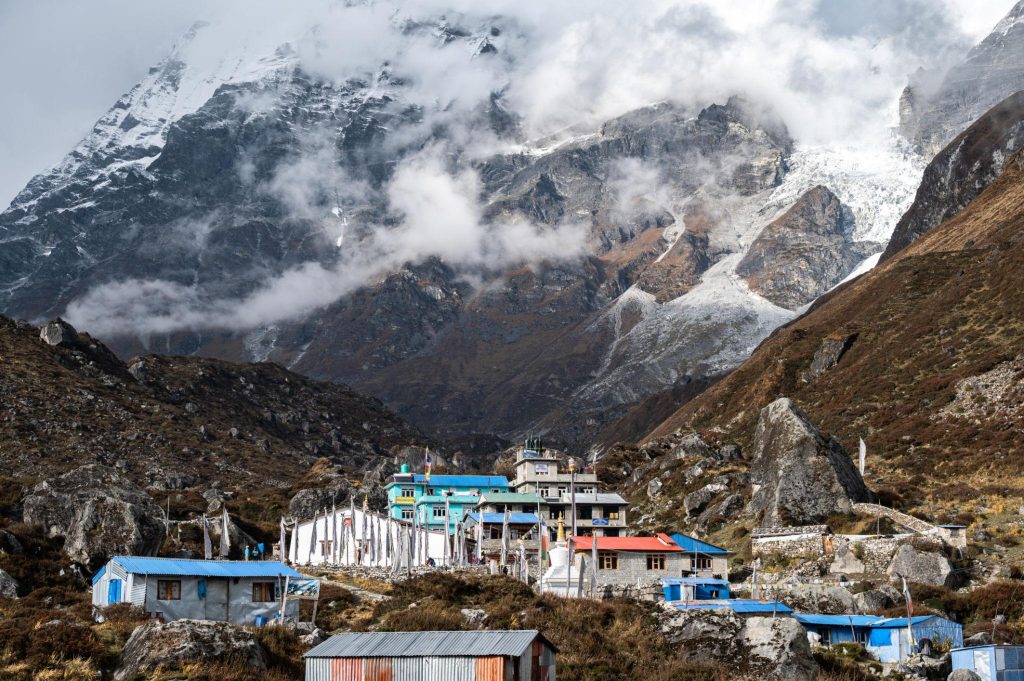
Kyanjin Gompa Village
Rest Day and Exploration
We spent an extra day in Kyanjin Gompa for acclimatization. This was one of the best decisions of the entire trek. During the day, I explored nearby viewpoints and glaciers. The mountains felt incredibly close, almost touching the sky. The silence in the valley was powerful. No cars, no noise—just wind, rivers, and nature.
I also visited Kyanjin Ri viewpoint, which offered breathtaking panoramic views of the entire Langtang range. Standing there, I felt completely connected to nature. Every direction showed snow-covered peaks and endless valleys.
Climb to Tserko Ri – Sunrise Experience
The hardest and most rewarding part of the trek was climbing Tserko Ri. We started early before sunrise, walking in freezing cold temperatures. The trail was steep, rocky, and covered with snow. Breathing became difficult due to altitude, but the excitement pushed us forward. After hours of climbing, I finally reached the top. What I saw from Tserko Ri was beyond imagination. Golden sunlight slowly touched the Himalayan peaks one by one. Langtang Lirung and surrounding mountains glowed beautifully. The entire valley looked like a painting. I stood there silently for a long time, unable to speak or move. It was one of the most peaceful moments of my life.
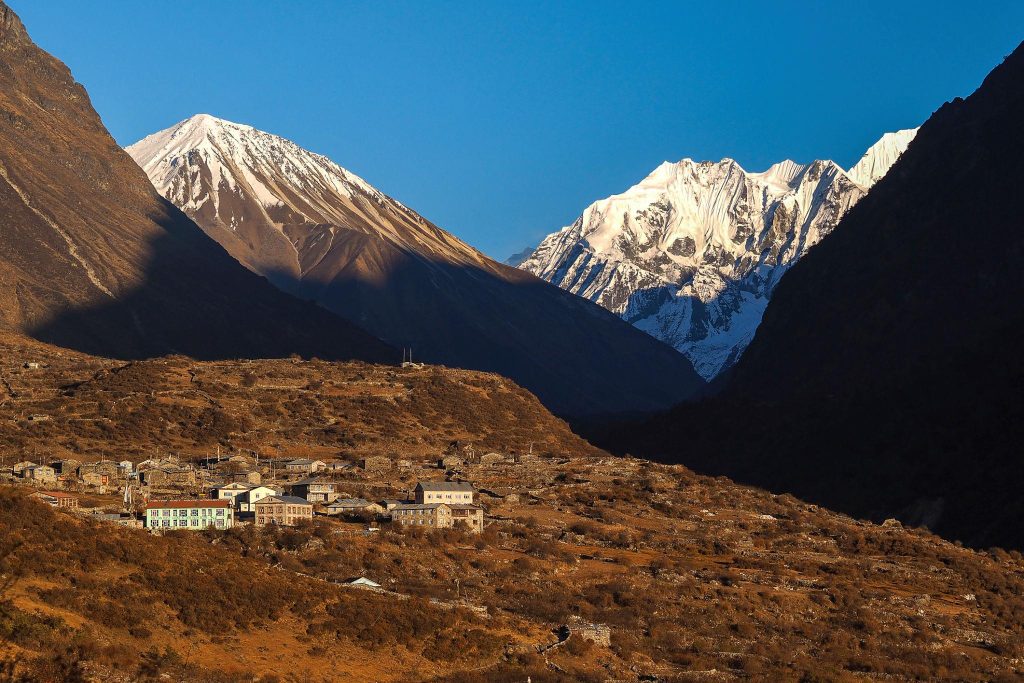
Tserko Ri
Culture and Local Life
One of the most beautiful aspects of Langtang Valley was its rich Tamang culture. Throughout the journey, I saw prayer flags, monasteries, chortens, and traditional houses. Locals were incredibly kind and welcoming. Despite the hardships they faced in the past, their hospitality was warm and inspiring.
Food in the trek was simple:
- Dal bhat
- Noodles
- Tea
- Potatoes
- Tibetan bread
Every meal tasted better in the cold mountain environment. The simplicity of life in the Himalayas teaches you happiness is not about luxury but about peace and connection.
Challenges of the Trek
The Langtang trek was beautiful but also challenging.
Some difficulties included:
- Steep uphill climbs
- Long walking hours
- Cold temperatures
- High altitude breathing difficulty
- Limited facilities
But every challenge added meaning to the journey. The harder the climb, the more beautiful the view at the top.
Best Time to Visit Langtang Valley
The best seasons for this trek are:
- Spring (March–May)
- Autumn (September–November)
Spring brings blooming rhododendrons, while autumn offers clear skies and perfect mountain views. Winter is very cold, and monsoon brings rain and slippery trails.
Final Thoughts
The Langtang Valley trek inside Langtang National Park is not just a trekking route—it is an emotional journey through mountains, culture, and nature. From dense forests to snowy peaks, from peaceful villages to sacred monasteries, every moment felt special. Standing at Tserko Ri and looking over the entire valley reminded me how small we are in front of nature, yet how deeply we can connect with it. Even today, I still remember the cold wind, the silence of the mountains, and the kindness of the people. Langtang is not just a destination. It is a feeling that stays forever in the heart.